
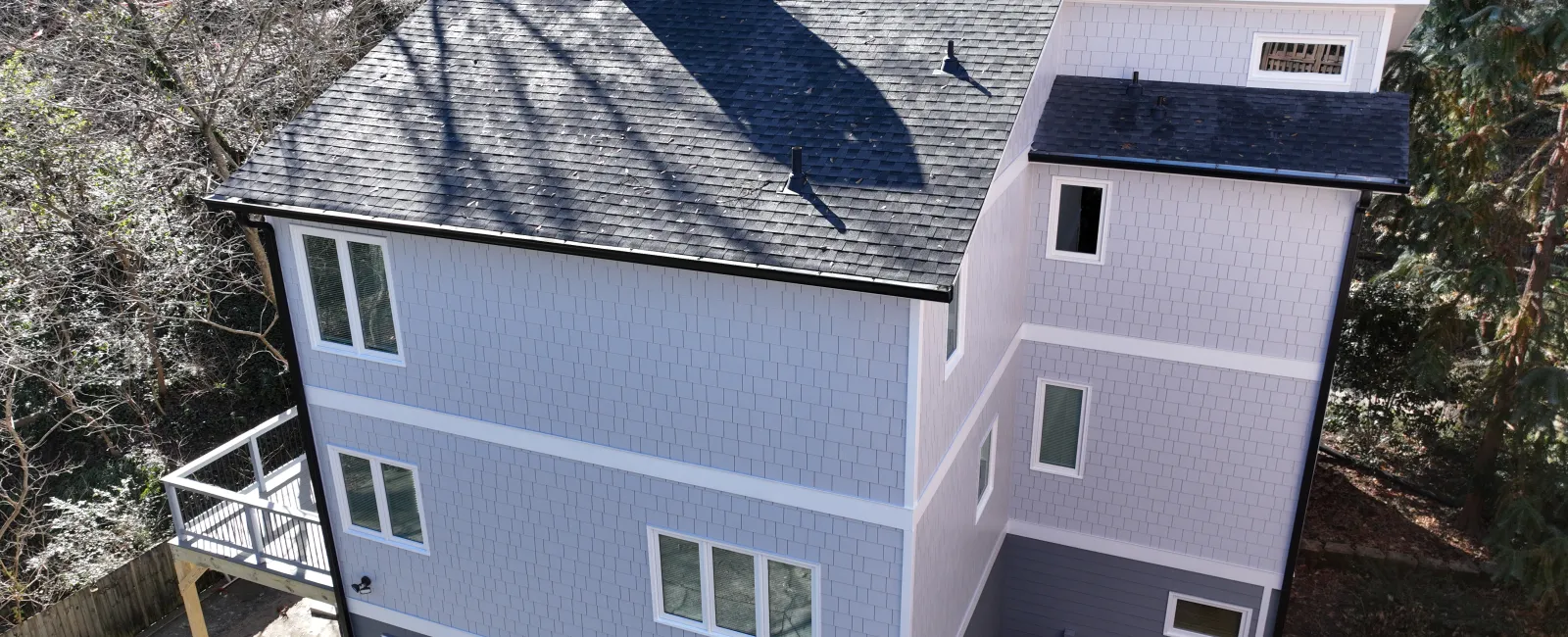
A roof leaking water is often caused by damaged shingles, clogged gutters, faulty flashing, or poor ventilation. Identifying the source early can help prevent costly water damage.
If you've noticed water stains on your ceiling, drips during a storm, or damp spots on your walls, there's a good chance you have a roof leakage issue. A leaky roof can lead to structural damage, mold growth, and costly repairs if left unaddressed.
Understanding what causes roof leaks is crucial for homeowners who want to protect their property. Whether the problem stems from missing shingles, clogged gutters, or damaged flashing, identifying the leak in the roof early can help prevent severe water damage.
Common Causes of Roof Leakage
A roof leaking water can stem from a variety of issues, and not all leaks are obvious at first glance. Here are some of the most common culprits behind roof leaks and how they affect your home.
1. Missing or Damaged Shingles
One of the most common reasons why my roof is leaking is missing, cracked, or damaged shingles. Shingles act as the first line of defense against the elements, and when they are compromised, water can seep into the underlayment and eventually into your home.
Strong winds, hail, and age-related wear and tear can cause shingles to break or come loose. If you notice shingles on the ground after a storm or see bald spots on your roof, it's time to inspect for potential roof leaks.
2. Damaged Flashing
Flashing is the metal or rubber material installed around roof penetrations such as chimneys, vents, and skylights. Its purpose is to create a watertight barrier. If the flashing is cracked, loose, or improperly sealed, it can allow water to enter, leading to roof leaking water inside your home.
Over time, flashing can deteriorate due to exposure to harsh weather conditions. If you see gaps or rusted sections, this could be the reason for water leakage from the roof.
3. Clogged or Damaged Gutters
Gutters play a crucial role in directing rainwater away from your roof and foundation. When gutters become clogged with leaves, debris, or ice, water can back up onto the roof, increasing the risk of roof leakage.
Overflowing gutters can cause water to seep under shingles or pool around the foundation, leading to potential leaks inside the home. Regular cleaning and maintenance can help prevent this issue.
4. Roof Valleys Not Sealed Properly
A leaky roof is often the result of improperly sealed valleys, which are the areas where two roof slopes meet. Water naturally flows along these valleys, so if the sealant has worn down or was never applied correctly, leaks can develop over time.
Inspecting the valleys for cracks or worn-out sealant can help determine if this is the cause of the roof leaking water inside your home.
5. Skylights and Vent Leaks
Skylights and roof vents provide natural light and ventilation, but they can also be sources of roof leakage if not properly installed or maintained.
Common issues include improper sealing around the skylight or vent, which can allow water to seep into the home. Additionally, cracks in the glass or vent housing may develop over time, creating openings for leaks. A buildup of debris can also prevent proper drainage, causing water to pool around the skylight or vent and increasing the risk of leaks.
If you see water stains around a skylight or vent, this could indicate a leak in the roof originating from these areas.
6. Chimney Damage
Chimneys extend through the roof, making them a prime area for leaks if not properly sealed. Over time, the mortar and flashing around chimneys can deteriorate, allowing water to enter small gaps and cause a roof leaking water issue inside the home.
Signs of a chimney-related leaky roof include damp walls near the fireplace, peeling paint, or visible gaps in the chimney flashing.
7. Ice Dams in Winter
In colder climates, ice dams form when heat from the attic melts snow on the roof, causing it to refreeze at the eaves. This trapped ice prevents proper drainage, forcing water underneath the shingles and into your home, leading to water leakage from the roof.
Proper attic insulation and ventilation can help prevent ice dams from forming and minimize the risk of roof leaks during winter months.
8. Roof Age and Wear
As a roof ages, its materials naturally degrade, making it more susceptible to leaks. Most asphalt shingle roofs last around 20-30 years, while metal and tile roofs have longer lifespans. If your roof is reaching the end of its lifespan and leaks are becoming more frequent, it may be time to consider a replacement.
How to Identify a Leak in Your Roof
Finding the exact source of a leak in the roof can be challenging, especially since water often travels along rafters before dripping into your home. However, there are several ways to help identify the source of roof leakage.
One effective method is to check the attic for signs of water intrusion. Look for water stains, damp insulation, or mold growth, as these can indicate where the leak is originating. Another approach is to inspect ceilings and walls inside the home. If you notice peeling paint, bubbling drywall, or water spots, it may be a sign that your roof is leaking and allowing moisture to seep inside.
Examining the roof exterior is also important. Look for missing shingles, damaged flashing, or pooled water, as these issues often lead to roof leaks. If the leak source is still unclear, performing a hose test can be helpful. If it's safe, run a garden hose over different sections of the roof and observe where water begins to enter inside, helping to pinpoint the leak location.
If you can't identify the leak, calling a professional roofer is the best way to ensure the problem is diagnosed and fixed correctly.
How to Fix a Leaky Roof
The solution for a leaky roof depends on both the severity and cause of the problem. Some minor roof leaks can be fixed with simple repairs, while others may require more extensive work.
One common fix is to replace missing or damaged shingles, which helps prevent water from seeping into the underlayment. Another essential repair is to reapply or replace flashing, as fixing loose or cracked flashing around chimneys, vents, and skylights can effectively stop leaks.
Keeping gutters and downspouts clear of debris is also important, as it ensures proper water drainage and prevents water from backing up onto the roof. In areas where two roof slopes meet, sealing gaps in roof valleys by reapplying waterproof sealant can prevent leaks in these high-flow sections.
For skylights, it may be necessary to repair or replace the unit, ensuring a proper seal to prevent future leaks. Lastly, addressing attic ventilation is crucial, as improving airflow can help prevent ice dams and moisture buildup, which can lead to long-term roofing issues.
For major roof leaking issues, hiring a professional roofer is the best course of action. They can assess the full extent of the damage and recommend long-term solutions.
When to Call a Professional
If my roof is leaking and the issue isn't immediately fixable, it's time to call a roofing expert. Trust EXOVATIONS for all of your roofing concerns in the Atlanta area. Professional help from the EXOVATIONS team should be considered if the roof leaks after every rainfall, as this indicates a recurring issue that may worsen over time. Extensive water damage inside the home is another major concern, as prolonged exposure to moisture can lead to mold growth and structural deterioration.
Additionally, signs of structural weakness, such as sagging ceilings, suggest that the roof may no longer be providing adequate support, making immediate repairs essential. If previous repairs haven't stopped the leak, it's a clear indication that the underlying issue has not been properly addressed. Lastly, if the roof is nearing the end of its lifespan, professional assessment is crucial to determine whether repairs or a full replacement are necessary to prevent future leaks.
Ignoring a roof leaking water problem can lead to expensive structural damage, mold growth, and even electrical hazards. A professional roofer can ensure the issue is properly diagnosed and fixed before it worsens.
Final Thoughts
A roof leaking water is a serious issue that requires immediate attention. Whether caused by missing shingles, damaged flashing, clogged gutters, or aging materials, addressing roof leaks early can prevent costly repairs. By understanding what causes roof leaks and taking proactive measures, homeowners can protect their property from water damage.
If you're experiencing a leaky roof, don't wait until the problem escalates. Inspect your roof, identify the source of the leak in the roof, and seek professional help at EXOVATIONS today to keep your home safe and dry.


