
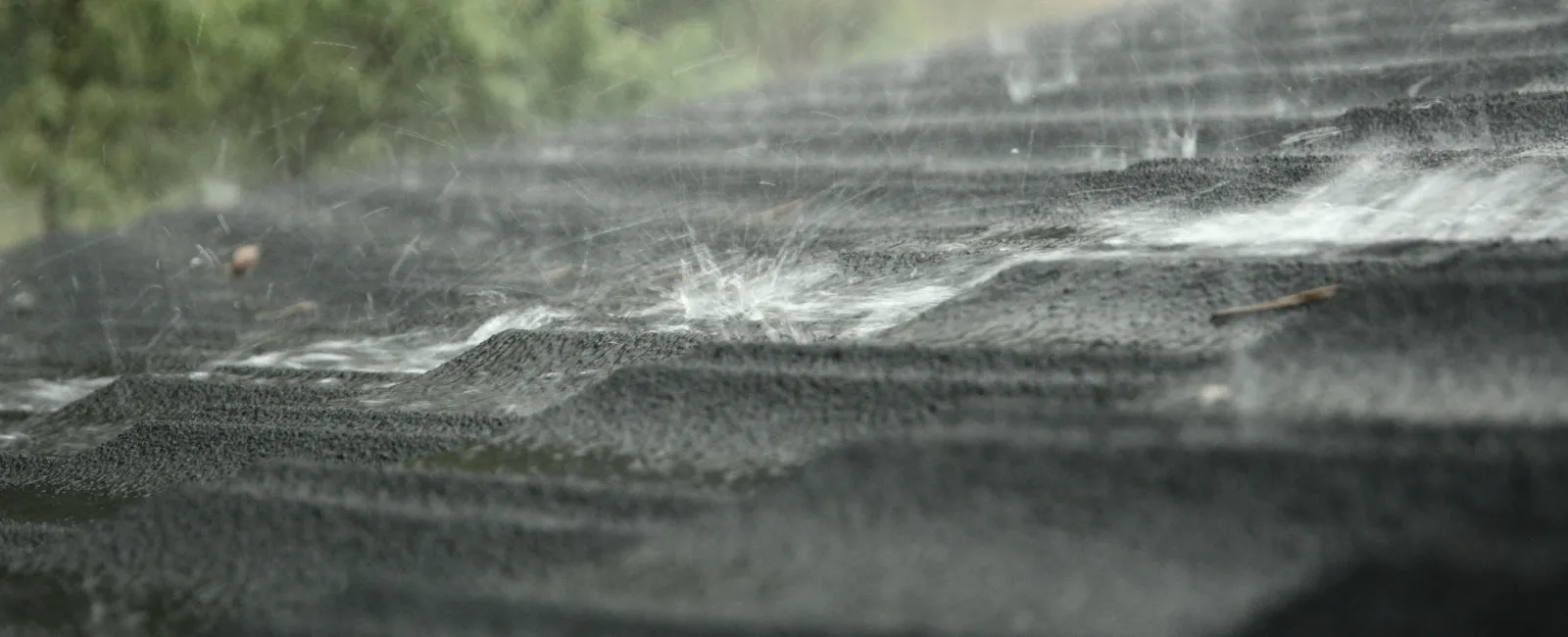
Water pooling on a flat roof is often caused by poor drainage, sagging areas, or clogged outlets. To fix ponding, improve slope, clear drains, and consider structural repairs or roof coatings. Flat roof ponding can lead to leaks, damage, and shortened lifespan if left untreated.
What Is Ponding and Why It Happens
Understanding Roof Ponding
Ponding refers to water that remains on a roof for more than 48 hours after rainfall or snowmelt. On flat roofs, which typically have a very low slope (if any), this can be common—but it's not harmless. When water pooling on a flat roof doesn't properly drain, it can saturate roofing materials, strain structural supports, and accelerate deterioration.
So, what is ponding in technical terms? It's the result of insufficient drainage, low spots, or uneven roofing surfaces that cause water to collect rather than flow off the roof. Even a slight dip can collect several gallons of water if left unaddressed.
Causes of Flat Roof Pooling Water
Flat roof problems that lead to ponding water often result from a combination of installation issues, wear and tear, and design flaws. Some common reasons include:
Improper roof slope or design
Clogged or undersized drains
Compressed insulation or structural deflection
Aging roofing materials that have sagged over time
Roof-top equipment weighing down certain sections
Whether your building is residential, commercial, or industrial, ponding water on the roof is a warning sign that your drainage and roof system need attention.
Risks of Standing Water on Roof Surfaces
Why Flat Roof Ponding Is a Serious Problem
Some property owners assume standing water on a roof will eventually evaporate. While that may be true, repeated ponding causes damage long before it dries. Persistent flat roof ponding leads to:
Accelerated membrane degradation: Water breaks down protective coatings and seams over time.
Increased weight: Even a shallow pond can add hundreds of pounds of pressure to the structure.
Growth of algae and mold: Moisture creates a perfect breeding ground for microbial growth.
Leaks and water intrusion: Prolonged ponding can lead to roof leaks and costly interior damage.
Voided warranties: Many roofing manufacturers exclude warranty coverage if ponding is present.
Understanding the risks reinforces why identifying the cause—and applying the right roof ponding solutions—is critical for long-term performance.
How to Fix Ponding on a Flat Roof
Drainage Adjustments and Grading
The first step in correcting flat roof ponding is improving how water drains. If you're wondering how to drain a flat roof effectively, it often involves:
Installing additional drains, scuppers, or internal gutters
Re-sloping low areas with tapered insulation or roof crickets
Clearing existing drainage paths of debris and buildup
Correcting drainage is one of the most reliable remedies for water ponding on a flat roof, especially when combined with other preventive measures.
Roof Coatings and Waterproofing
Another way to prevent roof ponding is by reinforcing vulnerable areas with waterproof roof coatings. Elastomeric and silicone coatings can help seal and protect areas where water pooling on flat roof surfaces is unavoidable. These coatings can extend the lifespan of your roof while improving reflectivity and energy efficiency.
However, coatings are most effective when used as part of a larger flat roof ponding solution, not as a cover-up for structural issues.
Structural Reinforcement
Sometimes, the problem lies deeper than surface fixes. If your roof deck has sagged or the insulation has compressed, the result may be a permanent dip where ponding water on roof surfaces collects. In these cases, how to fix flat roof ponding may require:
Replacing damaged or sunken insulation
Reinforcing joists and deck materials
Rebuilding low sections to restore pitch
While more involved, structural repairs are often the most lasting roof ponding solutions available, especially for older or heavily used flat roofs.
Long-Term Remedies for Water Ponding on Flat Roofs
Preventive Maintenance and Regular Inspections
The best way to prevent flat roof pooling water is to stay ahead of it. Routine roof inspections—especially after storms—can catch issues early. Look for signs like:
Minor dips or soft spots
Clogged drains or downspouts
Debris buildup near roof equipment
Discoloration or surface cracking
Addressing these signs early makes fixing ponding on a flat roof much simpler and more affordable.
Summary: Addressing Roof Ponding the Proper Way
Roof ponding may start small, but the consequences can grow quickly. Whether it's due to poor drainage, design flaws, or structural sagging, water pooling on a flat roof should never be ignored. The longer it sits, the greater the risk of damage, leaks, and system failure.
By understanding the causes and applying effective roof ponding solutions—from adjusting slope and improving drainage to reinforcing structure—you can protect your building, extend your roof's lifespan, and avoid costly repairs.
Call for Professional Flat Roof Repair and Maintenance
If you have ponding water on your roof, don't wait for it to cause permanent damage. Contact a trusted roofing professional to inspect your system and provide customized flat roof ponding remedies. Whether you need quick drainage improvements or full structural correction, addressing the issue now is the best investment in your property's longevity.
Contact EXOVATIONS to speak with a roofing professional and replace your damaged roof today!


