
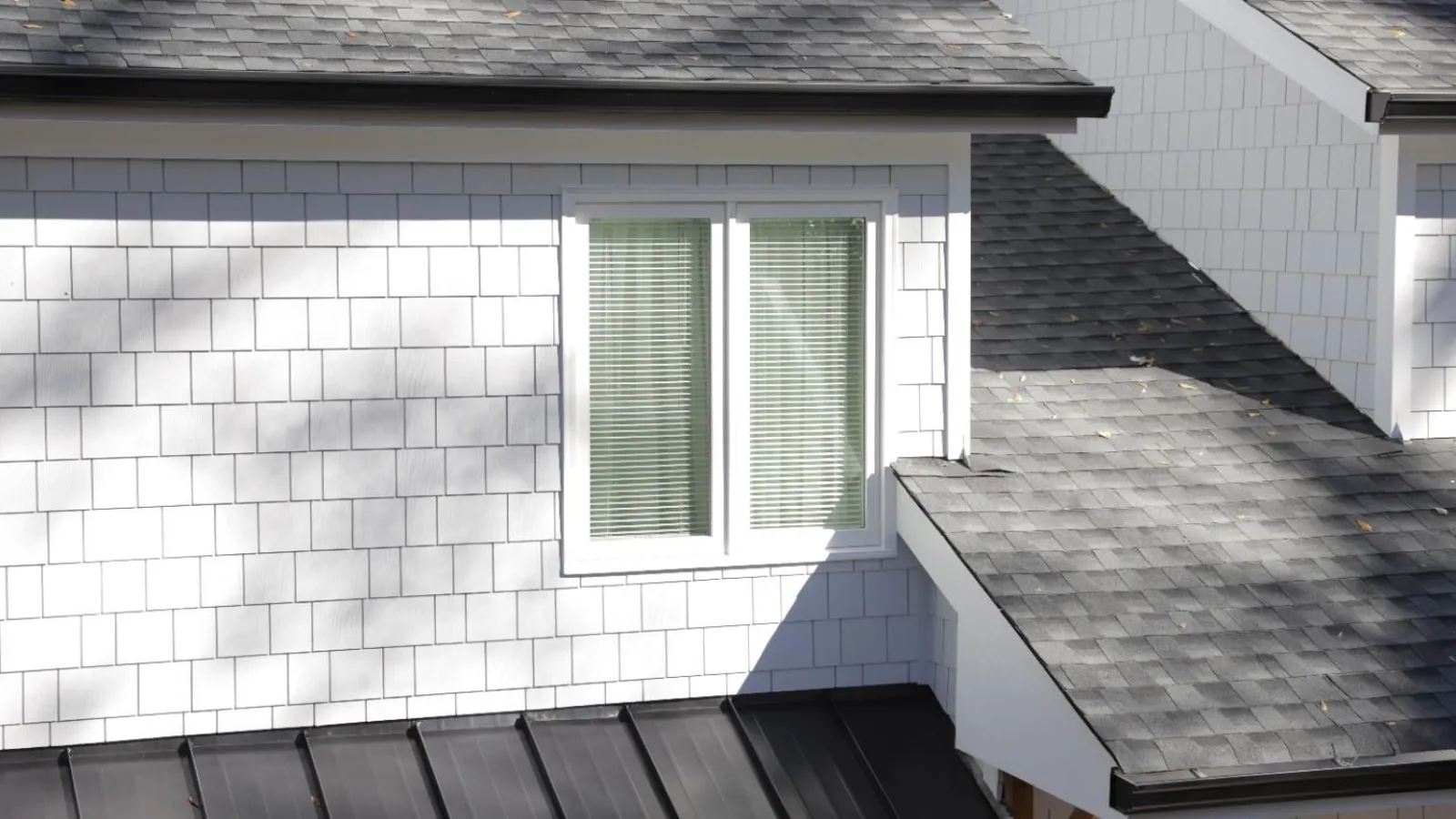
Siding Replacement and Repair in Sugar Hill, GA
Siding Done Right for Sugar Hill's Established Homes
Tucker homes built between the 1950s and 1970s often need siding repairs faster than newer construction can wait for. We respond to local calls quickly, pull City of Tucker permits, and get crews on site without the back-and-forth that drags most projects out.

Request A Quote Today!
Professional Siding Contractors in Sugar Hill, GA
What makes Sugar Hill different from older Gwinnett markets is the concentration. In Lawrenceville, the housing inflection point gets spread across multiple build eras. In Sugar Hill, you have entire subdivisions where every house on the street was built within five years of every other house, and every one of them is approaching the same siding decision at the same time. That changes how we scope: we know which products went on which subdivisions, where the first failure points typically show up, and how the HOA color and material rules tend to read on a block where 30 houses might be considering re-sides over the next five years.
The other piece of the Sugar Hill picture is downtown. The previous and recent investments in downtown Sugar Hill lifted values on older near-downtown homes, which has driven a real wave of remodel activity on properties inside the Downtown Sugar Hill Overlay District, where the Historic Preservation Society and the Downtown Development Authority have a hand in exterior design decisions.
EXOVATIONS has been replacing failing siding on north-Gwinnett homes since 1998. We install James Hardie fiber cement on full re-sides because the 30-year limited warranty and 15-year ColorPlus® finish warranty matter more in a subdivision where you want one project to last instead of three.

EXOVATIONS installs James Hardie fiber cement on full re-sides. As an Elite Preferred Remodeler, a credential held by a limited number of contractors in the Atlanta market, we are certified to install the full HardiePlank® product line with manufacturer-backed warranty terms.
What that means for your home:
- 15-year color warranty on the factory ColorPlus® finish, no five-to-seven-year repaint cycle
- 30-year limited product warranty, transferable to the next owner
- Non-combustible, Class A fire-rated relevant for homeowner's insurance on some properties
- Will not warp, rot, or feed pests in Georgia humidity
- Third-party GuildQuality satisfaction survey on every James Hardie project we install
See Our Work
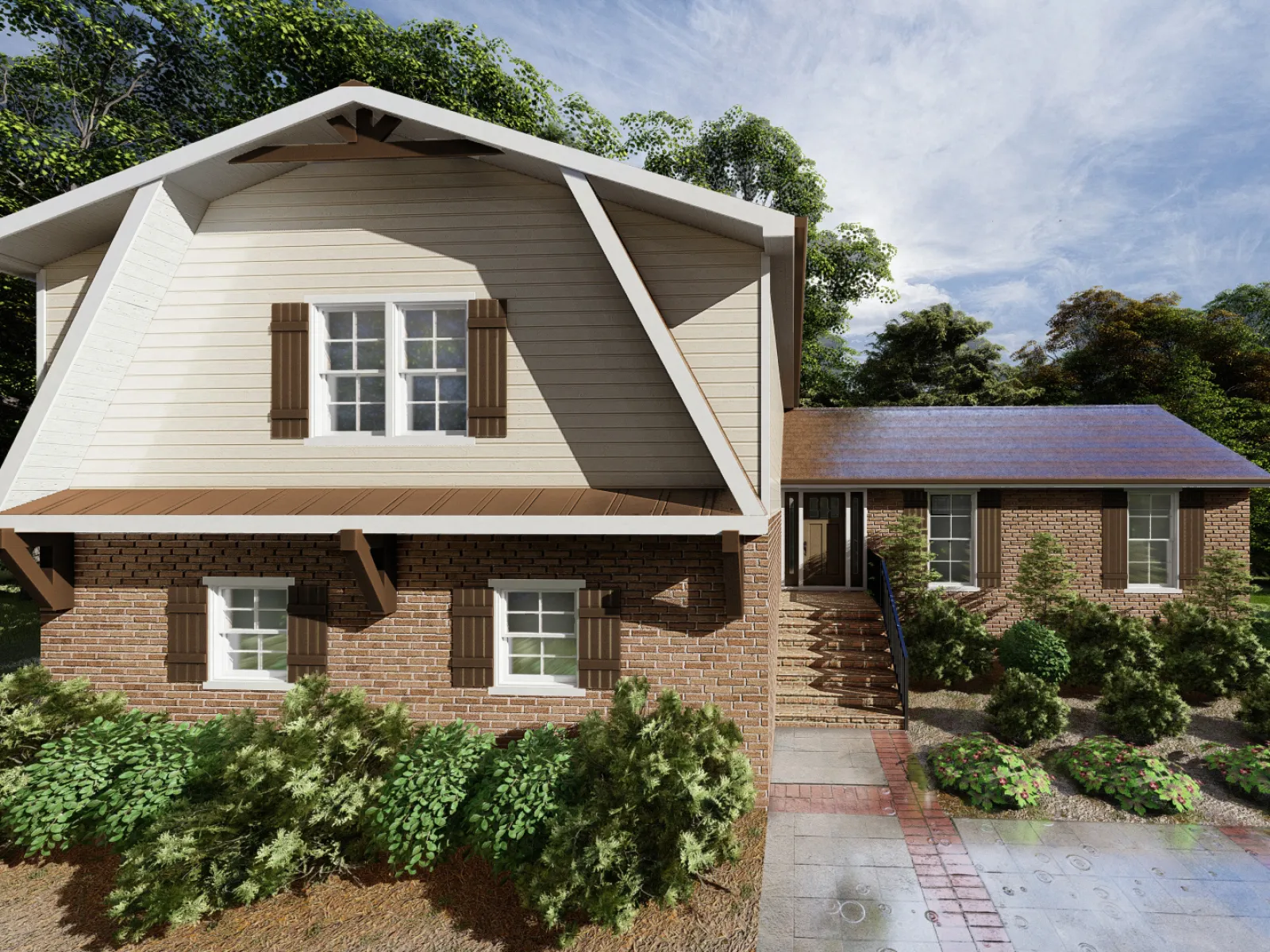
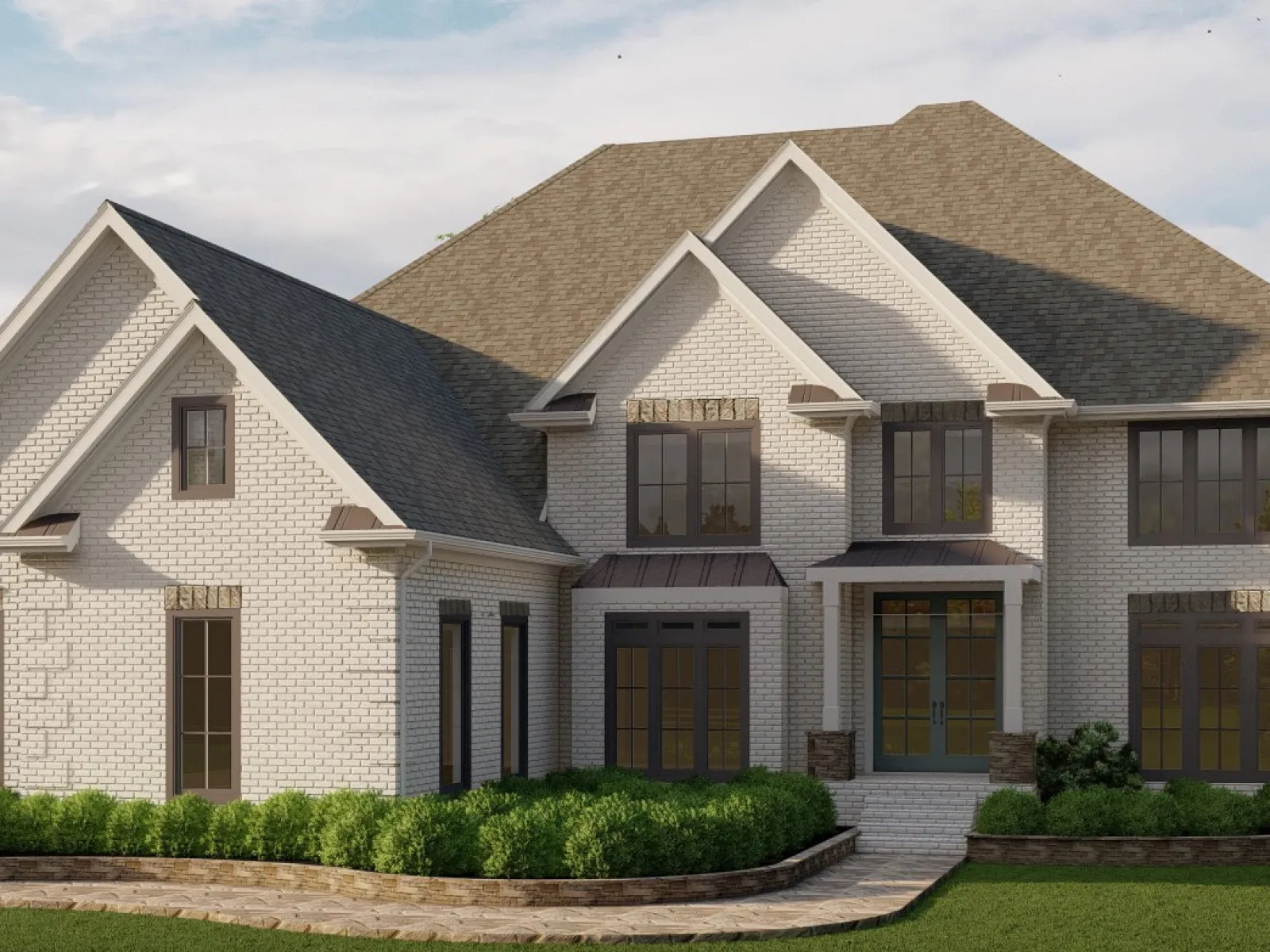
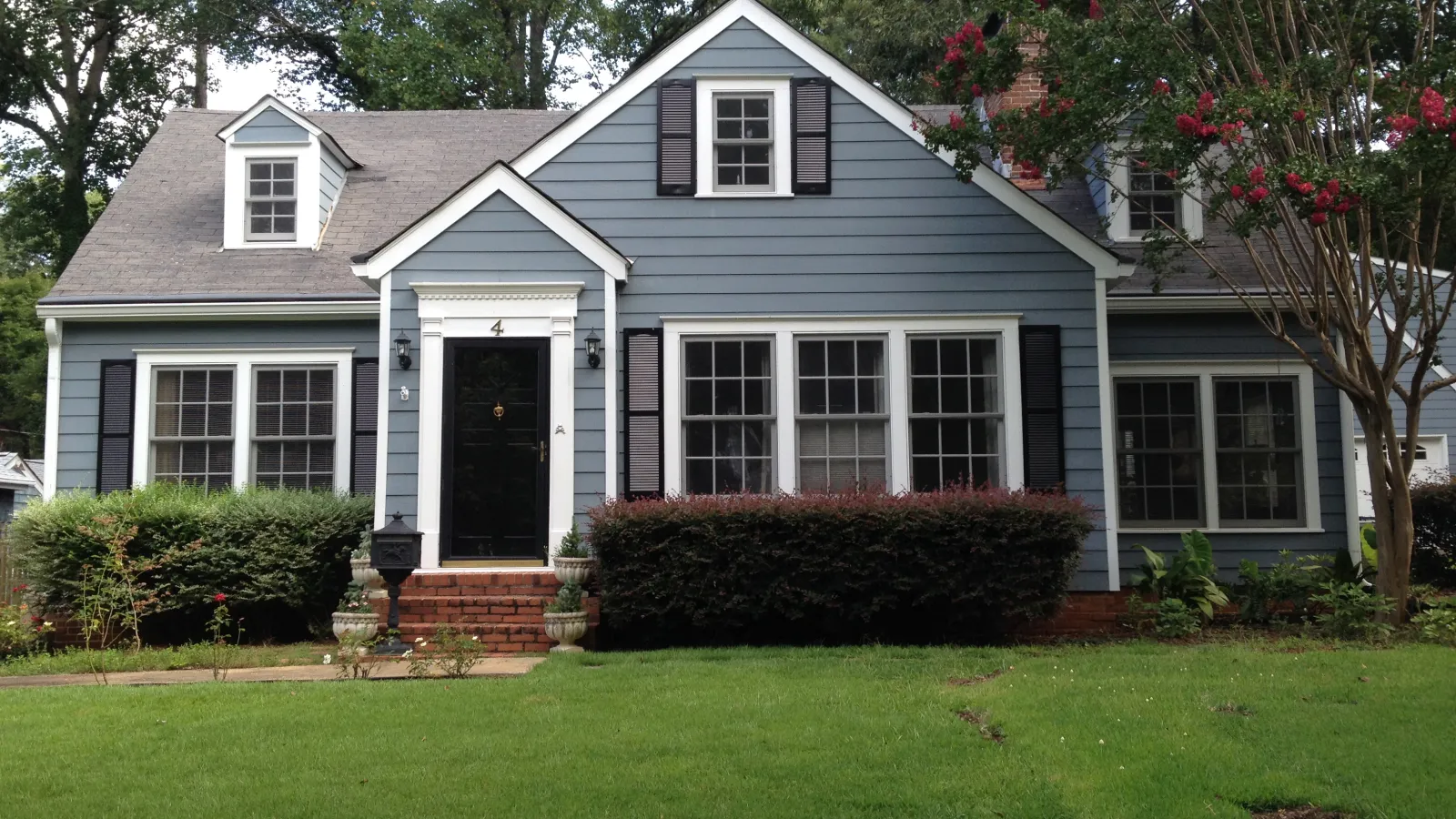
Check out our photo gallery to view the exceptional craftsmanship EXOVATIONS brings to every siding project right here in Sugar Hill, GA. Our gallery features a range of styles and finishes, highlighting full siding replacements and precise repairs that demonstrate our commitment to quality. Whether you are seeking ideas or want to see what we can achieve, our gallery provides a glimpse into how we enhance and protect Sugar Hill homes with our stunning, durable siding.
Why Sugar Hill Homeowners Pick EXOVATIONS
Three things show up on every EXOVATIONS siding project in Sugar Hill: a written quote after an in-home assessment, a verifiable credential (James Hardie Elite Preferred Remodeler plus a Georgia general contractor's license), and a warranty explained in writing before the first board comes off. We follow every installation with a third-party GuildQuality satisfaction survey so the feedback goes on record.
Sugar Hill homeowners tend to take real pride in their neighborhoods. We treat every project with that in mind: the finish work, the trim profile, the color match, the sheathing repair behind the scenes. The work has to hold up on the street, not just on the assessment day.
Signs Your Sugar Hill Home Needs New Siding
Knowing when to repair or replace your siding helps you avoid expensive surprises and keeps your Sugar Hill home looking right. Six signs to watch for, with the north-Gwinnett and subdivision-era context that makes them show up the way they do.
Cracks, Warping, or Holes
On a Sugar Hill subdivision home with original builder-grade hardboard or early fiber cement from the late-1990s or early-2000s, hairline cracks become panel failure faster than they would on newer products. The January-February freeze-thaw cycles in north Gwinnett widen any existing crack, and once water gets behind, the OSB sheathing common in that build era rots fast in our humidity.
Fading or Peeling Paint
South and west exposure on a 25-year-old Sugar Hill subdivision home with original painted siding degrades paint faster than on newer fiber cement products. Chalky residue on your fingers when you touch the siding means the paint binder has broken down. On a home in this build window, this is almost always a whole-system signal rather than a single-elevation signal.
Mold, Mildew, or Algae Growth
Sugar Hill's older near-downtown properties and the east-side 1960s-1970s pockets sit under a heavy mature tree canopy. The newer 1990s-2000s subdivisions have less canopy but more uniform sun-and-shade patterns across all the houses, which means moisture-driven algae shows up in similar places across the neighborhood. Surface algae rinses off; black streaking that returns within months of cleaning means moisture is trapped behind the cladding.
Bubbling or Blistering
Almost always trapped moisture. On a Sugar Hill home built in the late-1990s or early-2000s, the original flashing details at window heads and deck ledgers were sometimes under-spec'd by today's standards. Bubbling siding is usually downstream of one of those original details finally giving up.
Increased Energy Bills
If your Sugar Hill home was built before 2005 and has never been re-sided, there is often no continuous exterior insulation behind the existing siding. Pairing a fiber cement replacement with a continuous insulation layer often delivers a measurable cooling-cost reduction in our climate.
Loose or Missing Panels
The most common call we get on Sugar Hill subdivision homes is a fastener pull-through after the underlying sheathing has softened from accumulated moisture. A single missing panel exposes more sheathing to wind-driven rain and accelerates the underlying failure that caused the panel to come loose.
Neighborhoods We Serve in Sugar Hill
Frequently Asked Questions
Q What should I look for in a siding contractor in Sugar Hill, GA?
Look for written quotes after an in-home assessment (not phone estimates), a Georgia general contractor's license, verifiable manufacturer credentials such as James Hardie Elite Preferred Remodeler status, and warranty terms in writing before work begins. In Sugar Hill specifically, ask whether the contractor knows your subdivision's HOA approval process, whether your home falls inside the Downtown Sugar Hill Overlay District, and how they coordinate with the Sugar Hill Historic Preservation Society if applicable.
Q My Sugar Hill subdivision was built in the late 1990s. When should I be thinking about full siding replacement?
Most builder-grade siding products used in Sugar Hill's late-1990s and early-2000s subdivision wave were designed for a 20 to 30 year service life. If your home is in that build window and still has its original siding, you are now inside the range where full replacement becomes a real consideration, not a hypothetical one. The signals to watch for: caulking failing on multiple elevations, paint that won't hold a recoat, the same patch reappearing in different spots, or visible delamination on the hardboard face.
Q
Why does EXOVATIONS install fiber cement on Sugar Hill homes?
Fiber cement holds up to Georgia humidity, summer UV, and the long-term weathering pattern that builder-grade hardboard and early-era fiber cement do not. The product carries a 30-year limited warranty and a 15-year color warranty on the factory ColorPlus® finish, so there's no five-to-seven-year repaint cycle to budget around. On a Sugar Hill subdivision home that has already lived through its original builder-grade siding lifecycle, the longer warranty matters a lot.
Q Is EXOVATIONS a licensed siding contractor in Sugar Hill?
Yes. EXOVATIONS is a licensed Georgia general contractor, fully insured, and a James Hardie Elite Preferred Remodeler, a credential publicly searchable in James Hardie's contractor directory. We've been serving Sugar Hill and the broader north-Gwinnett market since 1998.