
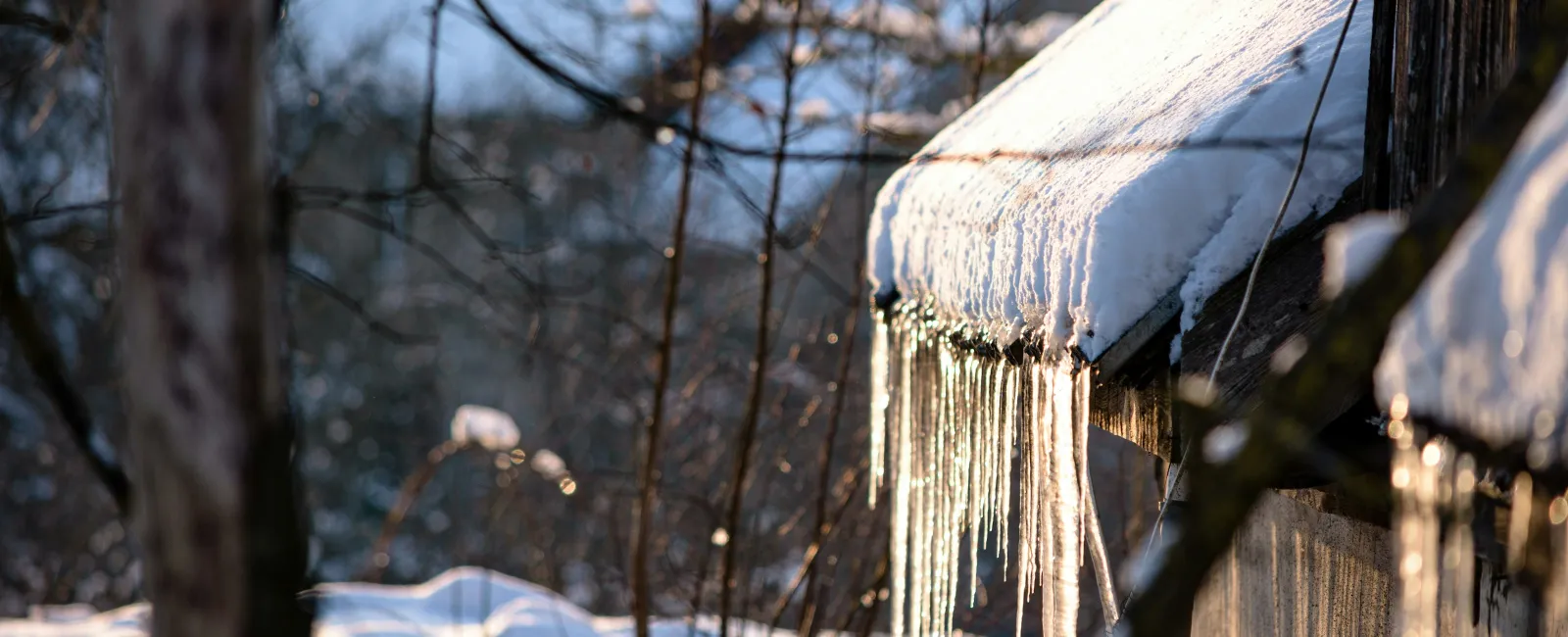
Recent winter storms brought unusually cold conditions to Atlanta, including freezing rain, ice buildup, and temperatures in the teens that put added strain on many homes.
The freeze-thaw cycle that hit metro Atlanta was particularly brutal for home exteriors. When water seeps into small cracks and then freezes, it expands, widening those cracks and creating new ones. As temperatures swing back above freezing during the day and drop again at night, the damage compounds. What started as small cracks last week could now be serious problems that need immediate attention.
Here are five critical signs that January's cold snap damaged your home's exterior, and what you should do about them.
1. Cracks and Gaps in Your Siding
Walk around your home and examine your siding closely. Look for new cracks, splits, or warping that wasn't there before the storm. Freeze-thaw damage often appears first at the bottom edges of siding panels where snow and ice sat longest.
Pay special attention to north-facing walls that received less sunlight during the cold spell. These areas stayed frozen longer, experiencing more freeze-thaw cycles. Dark streaks or moisture stains appearing on your siding after the storm can indicate that water infiltrated behind the panels and is now seeping out.
If you notice cracks, bulging panels, or siding that has pulled away from the house, don't ignore it. Water intrusion through damaged siding can lead to rot, mold, and structural problems that can become much more expensive to repair later.
2. Failed Caulking and Sealant Around Windows and Doors
Check the caulking around every window and door in your home. The extreme temperature swings Atlanta experienced recently can cause caulk to crack, shrink, or pull away from the surface entirely.
When warm, moist air from inside your home hits cold outdoor air, moisture forms in any gaps around windows and doors. If that moisture freezes, it pushes the caulking outward. Once temperatures rise, the caulk doesn't spring back to its original position. Instead, it leaves gaps that allow water and air to enter.
Run your finger along the caulk lines. If it feels brittle, crumbles easily, or has visible cracks, it has failed. Missing sections of caulk are an even bigger red flag. These gaps let cold air into your home, increasing your heating bills. Come spring, they'll allow water infiltration during Georgia's rainy season.
Weatherstripping around doors can also crack and lose its seal when moisture freezes. If your doors suddenly feel drafty or you can see daylight around the edges when they're closed, the weatherstripping likely needs to be replaced.
3. Sticking or Difficult-to-Open Doors and Windows
Have your doors or windows become harder to open since the storm? This could be a warning sign of structural stress or ice damage.
When ice forms in the narrow gaps between your door or window and its frame, it can bend hinges, warp frames, or crack weatherstripping. Even after the ice melts, the damage remains. A door that won't close properly is a security risk and an energy efficiency nightmare.
Windows that freeze shut indicate poor insulation or failed seals. If you had condensation or frost forming on the inside of your windows during the cold snap, moisture is getting trapped between the panes, or the window isn't insulating properly. This increases heating costs and can lead to water damage on your window sills and walls.
Pay attention to exterior doors that face north or east. These received the brunt of the freezing winds and are most likely to show damage. If hardware like handles, latches, or locks aren't working smoothly, the cold may have stressed the mechanical components.
4. Visible Damage to Gutters and Downspouts
Ice is heavy. When gutters fill with ice and snow, the added weight can pull them away from your roof line, bend support brackets, or cause complete detachment.
Walk around your house and look up at your gutters. Are they sagging, pulling away from the fascia, or leaning at an odd angle? Check your downspouts for dents or separations at the seams. Ice expansion inside downspouts can split the seams or crack older aluminum gutters.
During the recent storm, many Atlanta homeowners experienced ice dam formation, a rare occurrence in Georgia but devastating when it happens. Ice dams form when heat escapes through your roof, melting snow that then refreezes at the roof edge. This ice buildup backs water under your shingles and into your home.
Even if you didn't notice leaks during the storm, check your gutters now. Debris trapped in ice can clog downspouts, and that standing water will cause problems during the next rain.
5. Water Stains or Discoloration on Exterior Walls
Fresh water stains on your exterior walls signal that water penetrated your home's protective barrier during the freeze. These stains often appear below windows, around door frames, or near the foundation where snow and ice accumulate.
Water stains might look like dark streaks, rust-colored marks, or areas where the paint appears bubbled or peeling. On brick or stone, you might notice white, chalky deposits called efflorescence. This happens when water moves through the masonry and deposits minerals on the surface.
The real concern isn't the stain itself but what it represents. If water got into your walls during the storm, it may have frozen inside, expanding and creating internal damage you can't see. This can compromise insulation, promote mold growth, and weaken structural components.
Foundation areas are particularly vulnerable. Snow piled against your foundation during the storm can force water into cracks. Now that it's melting, that water is seeking the path of least resistance, often straight into your basement or crawl space.
Don't Wait to Address Storm Damage
Atlanta's winter weather may be unpredictable, but the damage it causes is very real. What seems like minor cosmetic issues today can become major structural problems by spring.
If you've noticed any of these five warning signs, schedule a professional inspection now. EXOVATIONS specializes in helping metro Atlanta homeowners repair and upgrade their home exteriors.


