
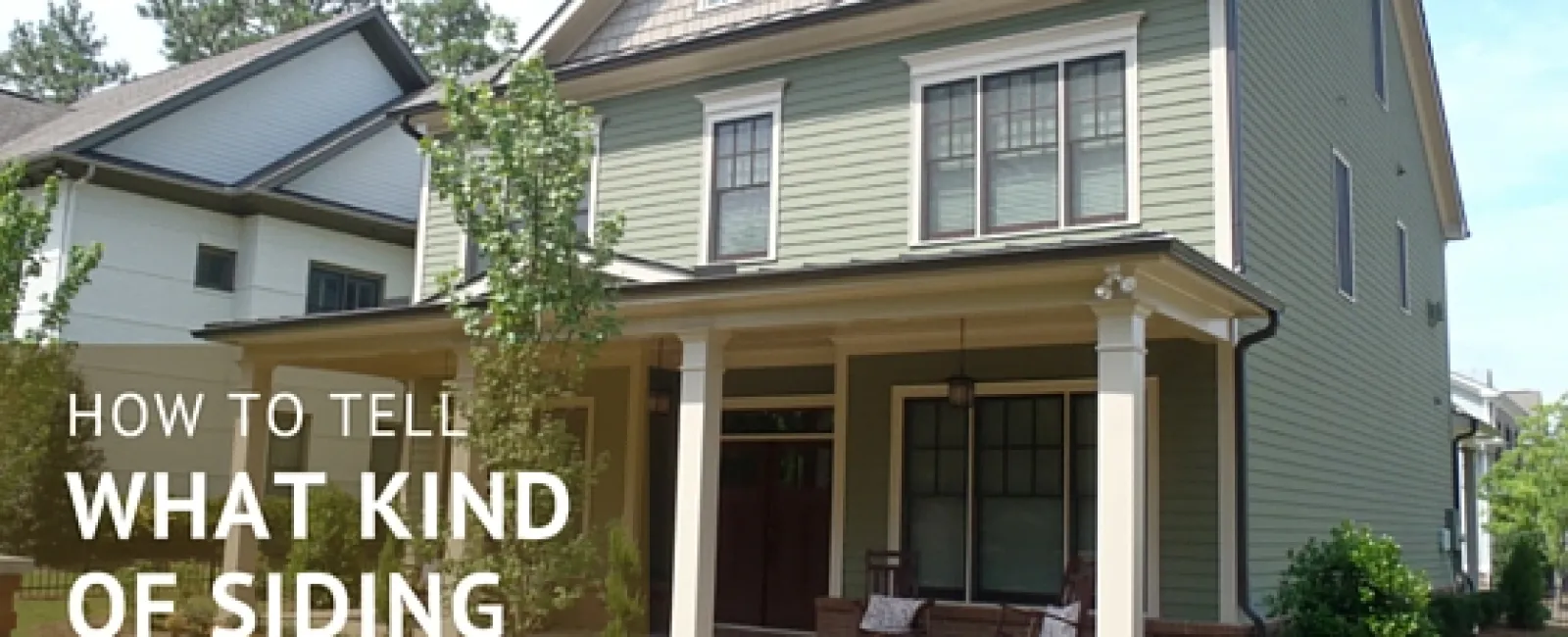
Humans have always needed shelter for protection and warmth, dating back to prehistoric times. These shelters have evolved from caves to castles, teepees to huts. Homeowners with houses should think about using siding panels to protect their homes' exteriors. Options like Masonite and Hardieplank offer excellent results with regular maintenance. Ultimately, the best exterior wall siding panel that offers protection without sacrificing style is a matter of personal preference.
If you're looking for alternative siding ideas beyond stone or brick, there are plenty of possibilities. Wood is a classic choice for bungalow siding that can catch the eye. However, engineered wood siding has become more popular in recent years due to its durable, attractive finish and improved protection against water damage and decay. Brick is a good choice for adding classic style to your home, but it can be more expensive. Metal siding is also gaining traction, offering a low-maintenance look that is both lightweight and affordable. Composite siding panels are yet another option available on the market today. No matter what type of siding material you choose, understanding the characteristics of each one enables you to make the most informed decision on which best suits your home.
1.) Stucco and Synthetic Stucco
Real stucco siding is made of cement, sand, water, and lime. It is applied directly to a wall after preparing the wall surface properly. It can be mixed with different types of sand to achieve the desired texture. It is usually colored, so it doesn't require painting for a long time. It is one of the oldest forms of cladding and is impervious to rot and insect damage if installed correctly. If you knock on the side of the house, it will sound solid and not hollow.
Synthetic Stucco was introduced in the 1950s by European builders shortly after World War 2 as an acceptable solution to repair buildings that were damaged during the war. It made a comeback during the 1980s in the U.S. as a less expensive alternative to real stucco. Synthetic Stucco consists of three layers. The exterior layer is made of a textured finish coat, which is the side that you see on the home, the middle layer consists of a cement base coat and a glue that is reinforced with a fiberglass mesh which is applied to the inner layer…a foam insulation board.
This is the final layer, and is usually glued directly to the sheathing of the house. This material was originally produced with the intention of attaching directly onto stone or brick. When it started being applied to wood structures, is when the problems with moisture and rot damage occurred. EIFS- (Exterior Insulation and Finish Systems) is one such system that is well known for it's problems with residential applications. If you have moisture issues concerning stucco, you may see signs of swollen trim around your window and door frames, peeling or blistering paint, or mold and mildew issues on the exterior finish or even the interior of your home. This, too, can be easily identified by knocking on the wall to see if it sounds solid or hollow.
If it sounds hollow, it is most likely synthetic stucco. Oftentimes, there will be parts of the house that may have some puncture damage or holes that birds have pecked their way into the wall and made it their home, too. Can you see foam inside these places? It's synthetic stucco!
2) Wood Siding
Wood siding has been around since there were trees. It is usually pretty easy to pick out. When stained, it is very easy, as you can see the wood grain textures, imperfections, and even knots. You may also see splintering and splitting, but the board is still intact. Lap siding boards are usually random in length and are shorter than 16 feet long. Typically, the boards are beveled with the bottom edge being thicker than the other to ensure that the boards lap over each other without difficulty. Shingle wood siding has also been a popular siding of the decades for its aesthetic appeal. Vertical Panel wood siding is also another type of wood siding, such as Board and Batten, Channel Groove, Tongue and Groove, and the more recent T-111 and reverse board and batten styles. All of these types of siding can be found in several different species, including cedar, redwood, cypress, pine, and fir. Even though it requires more maintenance than recently introduced products, when properly maintained, wood siding will last a lifetime.
3) Synthetic Wood Siding
Also referred to as hardboard, pressboard, or masonite siding, is mainly comprised of wood fibers, flakes, or chips that are held together by glues and resins. This type of siding was extremely popular from the 1980s to the mid-1990s as a low-cost alternative to other existing house sidings. It is mainly referred to as Masonite siding because the company Masonite was the first manufacturer of this type of product. However, there have been several companies that have manufactured this type of product since it was introduced in the 1920s.
Many different types and styles of this product have been made into both vertical and horizontal sidings. The best way to determine the type of siding is to inspect an unfinished area, such as the attic, and look at the backside of the board to find the manufacturer's name or an AHA code (American Hardboard Association). This will help you determine the manufacturer of the product and where it was made. Another way is to try to identify specific markings on the exterior grain (if one exists). For instance, the Masonite Brand siding has a waffle iron texture, Weyerhaeuser's has a smoother finish that resembles cork, and Louisiana Pacific (LP) siding has a distinct knot that is repetitive throughout the board. (You'll find more information about Common Problems and pictures of various hardboard siding materials here.)
4) Asbestos Siding
Asbestos Siding is a type of siding that was introduced in the 1920s as a fire-proof cladding for buildings and homes that could also resist rot and insects. Asbestos itself is actually a rock that has a fibrous makeup that looks a lot like hair or fur. The first documented use of this material was in the 1800s as a type of insulation for pipes; it was later used as insulation for buildings and homes. When used as a siding, asbestos fibers were mixed with Portland Cement and pressed together to form what we know as asbestos siding. This type of siding was manufactured up to the late 70's, until it was deemed to be a health risk. Asbestos is actually safe unless inhaled. This happens when the siding is cut or broken. Exposure to this has been known to cause Mesothelioma and Asbestosis of the lungs.
The only true way to identify asbestos siding is to have it tested. It does have some characteristics to look for. It is usually in a shingle/shake form 12″x24″. It may be smooth or have a pressed wood-grain pattern on the surface of the board. It usually will have two or three nails at the bottom portion of each panel. It feels denser to the touch than current fiber-cement siding, and was typically dyed when manufactured so it wouldn't need to be painted. Efflorescence (chalking) can commonly be seen on Asbestos siding. If your house was built around or prior to the late 70's, has the original siding and seems to be made of cement, it is probably asbestos siding.
5) Aluminum Siding
Aluminum siding is pretty easy to identify. It looks very similar to vinyl siding, but it is metal and can be easily dented. Because of its price, it was a very popular choice of siding in its day and could be installed directly over existing wood siding.
6) Vinyl Siding
Vinyl siding, too, is also pretty easy to identify. It feels like plastic, is dyed the same color throughout, and when pushing on the wall of a house, it tends to flex. Like Masonite siding, it is also usually labeled by the manufacturer, or it may have a manufacturing code on the back side of the siding panel. Vinyl siding is a popular choice of homeowners because of the price, and it can be installed over their existing siding. It never needs to be painted. One drawback is that if a piece of siding needs to be replaced, it can be difficult to find the same manufacturer, style, and color for an exact match. If you are lucky enough to find that exact piece, the color may not match exactly due to fading of the existing siding.
In recent years, manufacturers have introduced Insulated Vinyl Siding as an upgraded product. It is like regular vinyl siding, only it has an insulated foam backing that helps reduce energy costs and also increases durability.
7) Fiber Cement Siding
Most people can identify this type of siding because of its popularity in recent years. It is more commonly referred to as HardiePlank siding. The James Hardie company began producing fiber cement building products in the mid-1980s, 1980's the most popular being the HardiePlank lap siding.
Today, there are several companies that produce fiber cement siding and building products. Fiber Cement siding was manufactured as a replacement for asbestos siding, which was popular for its attributes of being fire-retardant and rot and insect-proof. It is formulated using sand, cement, and cellulose fibers.
It is very durable and can be painted or stained. It also comes in pre-painted or pre-stained versions from different manufacturers. It is available in a wide variety of shapes and styles for siding, trim boards, and soffit material. It is generally more expensive than aluminum or vinyl siding, but less expensive than stone or brick cladding. Fiber cement siding can be seen on newer homes built from the late 1980s to the present date. (You might also like our post on "How to Clean Fiber Cement Siding.")
At Exovations, we provide homes with the best in exterior materials and siding replacement. Whether you're looking for a classic double lap wood siding or want to explore other options, such as natural stone siding, we are sure to have a material that can make your home stand out from the rest! Contact us today for a free quote and let us help transform your home's exterior.


