
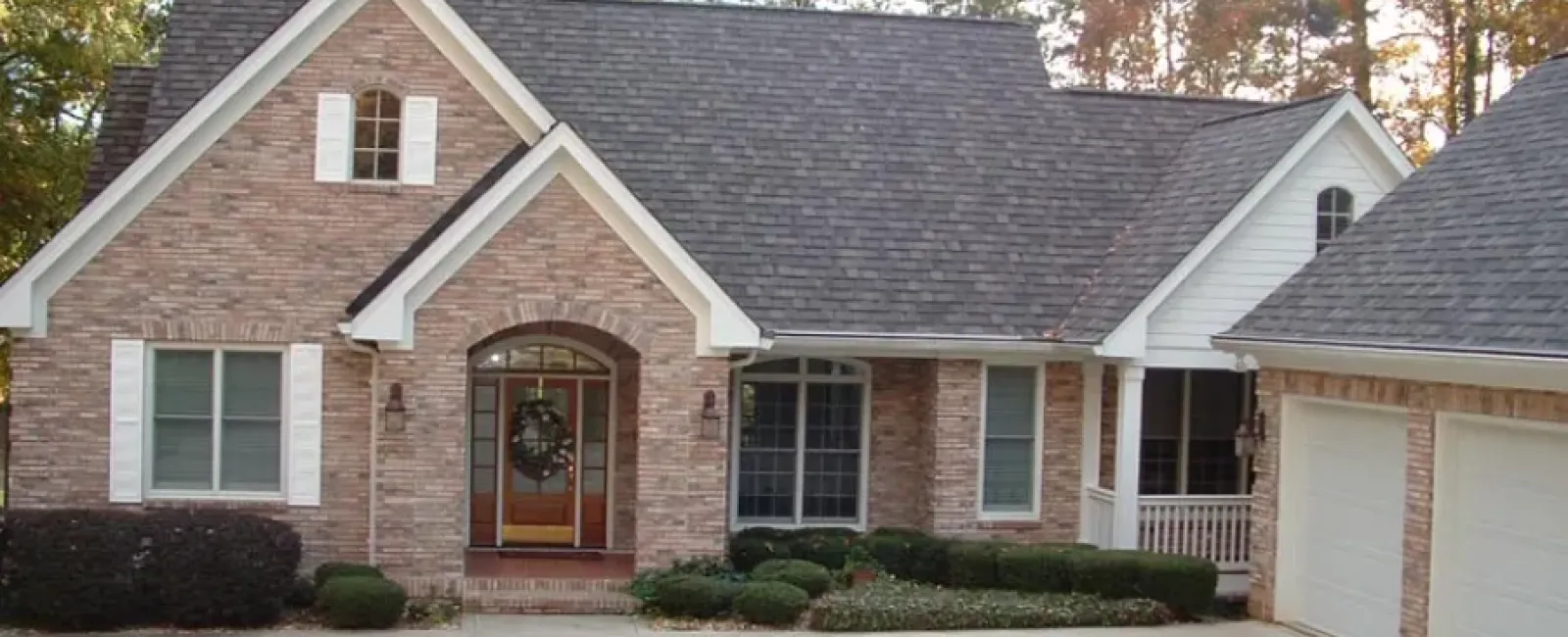
On average, most roofs last between 20 and 50 years, which is a pretty wide range. The actual lifespan depends almost entirely on the roofing material you have and how well it has been maintained.
Here in Georgia, our hot summers, humidity, and occasional severe storms add extra wear and tear that can shorten your roof's life compared to milder climates. That is why choosing the right material and staying on top of maintenance matters even more for Atlanta homeowners.
Average Roof Lifespan by Material Type
Here is what you can expect from the most common roofing materials:
Asphalt Shingles: 15 to 30 Years
Asphalt shingles are affordable, come in dozens of colors, and hold up well in most conditions. However, not all asphalt shingles perform the same.
3-Tab Shingles typically last 15 to 20 years. These are the thinner, more budget-friendly option you will see on many older homes.
Architectural Shingles can last 25 to 30 years with proper care. Their layered construction makes them more durable and gives them that dimensional look many homeowners love.
In Atlanta's heat, asphalt shingles are subjected to intense UV exposure. The intense summer sun breaks down the protective granules faster than in cooler states, which is something to keep in mind when planning for your roof's future.
Metal Roofs: 40 to 70 Years
Metal roofing has been growing in popularity across Georgia, and it is easy to see why. A properly installed metal roof can last 40 to 70 years, making it one of the longest-lasting options available.
Steel roofs typically provide 40 to 50 years of protection, while aluminum can go even longer since it does not rust. If you are willing to invest in copper, you could see 70 years or more.
Beyond longevity, metal roofs reflect heat rather than absorbing it, which can help with your cooling costs.
Tile Roofs: 50 to 100+ Years
Clay and concrete tile roofs are less common in metro Atlanta, but they offer exceptional durability. A well-maintained tile roof can last 50 to 100 years or even longer.
However, tile is heavy. Your home's structure needs to support that extra weight, which can add significant cost to installation. Individual tiles can also crack from impact, so fallen branches during storms are a bigger concern.
Slate Roofs: 75 to 150 Years
Some slate roofs have protected homes for over a century, and with proper care, yours could do the same.
But like tile, slate is heavy and expensive. Installation requires specialized expertise, and repairs are not exactly cheap. Still, if you are in your forever home and want a roof that might outlast you, slate is worth considering.
Wood Shakes: 25 to 40 Years
Cedar and other wood shakes offer beautiful curb appeal and can last 25 to 40 years. However, they require more maintenance than other materials and are more vulnerable to fire, rot, and insect damage.
In humid climates like Atlanta's, wood roofs need regular treatment to prevent moss growth and moisture damage. If you love the look but not the upkeep, composite shingles that mimic wood might be a better fit.
What Affects How Long Your Roof Lasts?
Even the highest-quality roofing material will not reach its full potential if other factors work against it. Here is what impacts your roof's lifespan:
Installation Quality
This one is huge. A roof is only as good as the crew that installed it. Cutting corners during installation leads to premature failures, leaks, and warranty issues.
Always work with licensed, insured contractors who have a solid track record. Check reviews, ask for references, and do not automatically go with the cheapest bid.
Climate and Weather Exposure
Atlanta's weather throws a lot at your roof. Hot summers accelerate shingle deterioration, while our spring and summer storms bring wind, hail, and heavy rain.
The freeze-thaw cycles we occasionally experience can also cause problems, especially if water gets under shingles and expands when temperatures drop.
Ventilation and Insulation
Here is something many homeowners overlook: what is happening in your attic directly affects your roof's health.
Poor ventilation traps heat in the summer, basically cooking your shingles from below. In winter, inadequate insulation can create ice dams (yes, even in Georgia during cold snaps). Both scenarios shorten your roof's lifespan significantly.
Roof Color
It might surprise you, but darker roofs tend to wear out faster than lighter ones. Dark shingles absorb more heat, which accelerates breakdown. If longevity is a priority, consider lighter-colored materials.
Maintenance (or Lack of It)
Regular maintenance can add 5 to 10 years to your roof's life. Neglect does the opposite. Those small issues you ignore today become big, expensive problems tomorrow.
Signs Your Roof Is Reaching the End of Its Life
Wondering whether your roof is nearing retirement? Watch for these warning signs:
- Curling or buckling shingles indicate age and weathering. Once shingles start to curl at the edges or buckle in the middle, they are losing their ability to protect your home.
- Missing granules show up as bald spots on asphalt shingles or granules accumulating in your gutters. Those granules protect against UV damage, so losing them speeds up deterioration.
- Visible sagging in your roofline suggests structural problems that need immediate attention. This goes beyond a simple repair.
- Daylight through the roof boards means light (and water) can get through. If you can see sunlight from your attic, it is time to call a professional.
- Recurring leaks that keep coming back after repairs often indicate your roof has reached the point where patching no longer makes sense.
How to Make Your Roof Last Longer
You cannot stop time, but you can slow down the aging process with a few smart practices:
- Schedule annual inspections. A professional can spot small issues before they become major headaches. Spring is ideal since it lets you address any damage from winter and prepare for storm season.
- Keep gutters clean. Clogged gutters cause water to back up under your roofing material, leading to rot, leaks, and damage to your fascia boards.
- Trim overhanging branches. Trees rubbing against your roof wear down shingles and provide easy access for critters. Plus, fallen branches during storms cause obvious problems.
- Remove debris promptly. Leaves and other debris trap moisture against your roof, encouraging moss, algae, and rot.
- Address repairs immediately. That small leak will not fix itself. The longer you wait, the more damage spreads.
Ready to Assess Your Roof's Condition?
If your roof is approaching the end of its expected lifespan, or if you have noticed any of the warning signs mentioned above, it is worth getting a professional opinion.
At EXOVATIONS, we have been helping Atlanta homeowners protect their homes for over 25 years. Our roofing team can assess your current roof's condition, discuss your options, and help you make the best decision for your home and budget.
Contact us today to schedule an inspection and see exactly where your roof stands.


