
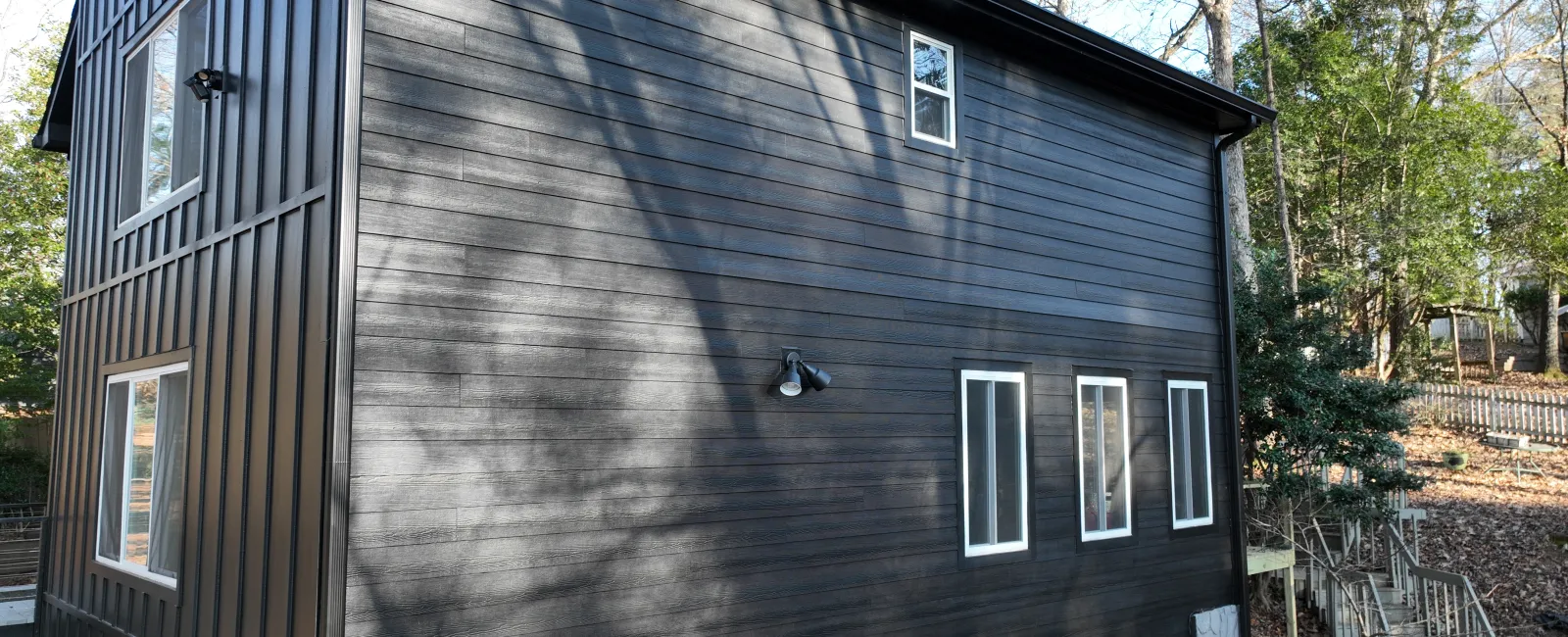
Choosing the right exterior siding for your home is a pivotal decision in any renovation project. Siding not only defines the aesthetic appeal of your home but also influences durability, energy efficiency, and maintenance requirements. With various materials available, each with unique pros, cons, and costs, it's essential to make an informed choice that suits your style, budget, and climate.
Below, we explore the most popular siding options, comparing their features, costs, and lifespans to help you decide which material is best for your home.
Wood Siding: Timeless Elegance, But High Maintenance
Wood siding is renowned for its classic charm and natural beauty. Its timeless appeal can boost your home's curb appeal significantly, making it a favorite among homeowners seeking a traditional aesthetic. However, wood siding has drawbacks that may outweigh its visual appeal.
Pros:
Wood is eco-friendly and provides excellent insulation. Its natural look can be customized with various paints, stains, or finishes, allowing homeowners to achieve a personalized design.
Cons:
Wood siding requires regular maintenance to preserve its appearance and protect it from weather damage. Homeowners should expect to repaint or restain every three to five years. Additionally, wood is susceptible to pests, rot, and fire, making it a less durable choice. While flame-retardant treatments can enhance safety, they add to the cost.
Cost: Premium Option
Lifespan: 10-20 years
Metal Siding: Modern, Durable, and Versatile
Metal siding is a modern choice that offers sleek lines and a contemporary look. Available in materials like steel, aluminum, and copper, it's fire-resistant and durable, with minimal maintenance required.
Pros:
Metal siding is resistant to pests and rot, making it an excellent option for homes in humid or pest-prone areas. It also boasts impressive longevity, with some metals lasting over a century.
Cons:
While durable, metal siding is prone to dents and scratches, especially in areas with severe weather. It also lacks soundproofing and insulation properties, which can lead to higher energy costs and noise levels.
Cost: Flexible Pricing Depending on Material
Lifespan: 15-100+ years
Vinyl Siding: Affordable and Low Maintenance
Vinyl siding is one of the most popular options for homeowners due to its affordability and versatility. Available in a range of colors and styles, it can mimic wood or other materials without the same level of upkeep.
Pros:
Vinyl is fire-resistant and requires minimal maintenance compared to wood or metal. It's also relatively easy to install, reducing labor costs.
Cons:
Despite its benefits, vinyl siding can fade under prolonged exposure to UV rays. High winds and severe weather can cause damage, such as cracking or warping, and moisture trapped behind vinyl can lead to mold or rot in the underlying structure.
Cost: Budget-Friendly
Lifespan: 10-20 years
Engineered Wood Siding: A Modern Take on Tradition
Engineered wood siding offers the aesthetic appeal of traditional wood with enhanced durability and lower maintenance requirements. Made from wood fibers and resin, it is designed to resist moisture and pests.
Pros:
Engineered wood is eco-friendly, as it uses fewer natural resources than traditional wood. It's also lightweight, easy to install, and available pre-primed or pre-finished, saving time and labor costs during installation.
Cons:
If not installed correctly, engineered wood siding can be vulnerable to moisture damage, especially in humid climates. Regular maintenance is still required to ensure its longevity.
Cost: Cost-Effective Mid-Range Option
Lifespan: 20-40 years
PVC Cladding: Design Flexibility and Long-Lasting Performance
PVC cladding is a versatile siding option that can enhance the design of a home's exterior. Often used to accent certain areas, it's available in various colors and textures.
Pros:
PVC cladding is highly durable, fire-resistant, and requires little maintenance. It doesn't warp, crack, or rot, making it a reliable choice for homeowners seeking longevity.
Cons:
The production of PVC has environmental implications, and the material may fade over time. Despite its benefits, its cost can be prohibitive for large-scale projects.
Cost: Higher Initial Investment for Long-Term Value
Lifespan: 50 years
Fiber Cement Siding: Durable and Weather-Resistant
Fiber cement siding has gained popularity for its impressive durability and ability to mimic the look of wood or stucco. It's a premium option that offers long-term value.
Pros:
Fiber cement is fire-resistant and impervious to pests, rot, and extreme weather conditions. Its longevity and low maintenance requirements make it a smart investment.
Cons:
The initial cost of fiber cement siding is higher than vinyl or wood. However, its longevity often offsets the upfront expense. Installation requires skilled labor, adding to the overall cost.
Cost: Investment-Worthy for Long-Term Durability
Lifespan: 50 years
Comparison of Siding Options
To simplify your decision-making process, here's a side-by-side comparison of the key features of these siding options:
| Siding Type | Cost | Lifespan | Key Pros | Key Cons |
|---|---|---|---|---|
| Wood | Premium Option | 10-20 years | Classic look, eco-friendly | High maintenance, fire risk |
| Metal | Flexible Pricing Depending on Material | 15-100+ years | Durable, pest-resistant | Prone to dents, poor insulation |
| Vinyl | Budget-Friendly | 10-20 years | Affordable, low maintenance | UV fading, weather damage |
| Engineered Wood | Cost-Effective Mid-Range Option | 20-40 years | Eco-friendly, easy to install | Moisture damage risk |
| PVC Cladding | Higher Initial Investment for Long-Term Value | 50 years | Fire-resistant, durable | Environmental impact, fading |
| Fiber Cement | Investment-Worthy for Long-Term Durability | 50 years | Long-lasting, weather-resistant | High upfront cost |
Choosing the Right Siding for Your Home
Each siding material offers unique benefits and challenges. When making your decision, consider factors like your home's architectural style, local climate, and your budget. For example, fiber cement may be the best choice for homeowners in areas prone to wildfires or hurricanes, while vinyl siding might be a cost-effective option for moderate climates.
At Exovations, we specialize in helping homeowners choose and install the perfect siding to enhance their homes' beauty and functionality. Whether you prefer the timeless charm of wood, the modern appeal of metal, or the unmatched durability of fiber cement, our team is here to guide you through every step of the renovation process.
Contact us today to schedule a consultation and transform your home's exterior with siding that's built to last.


