
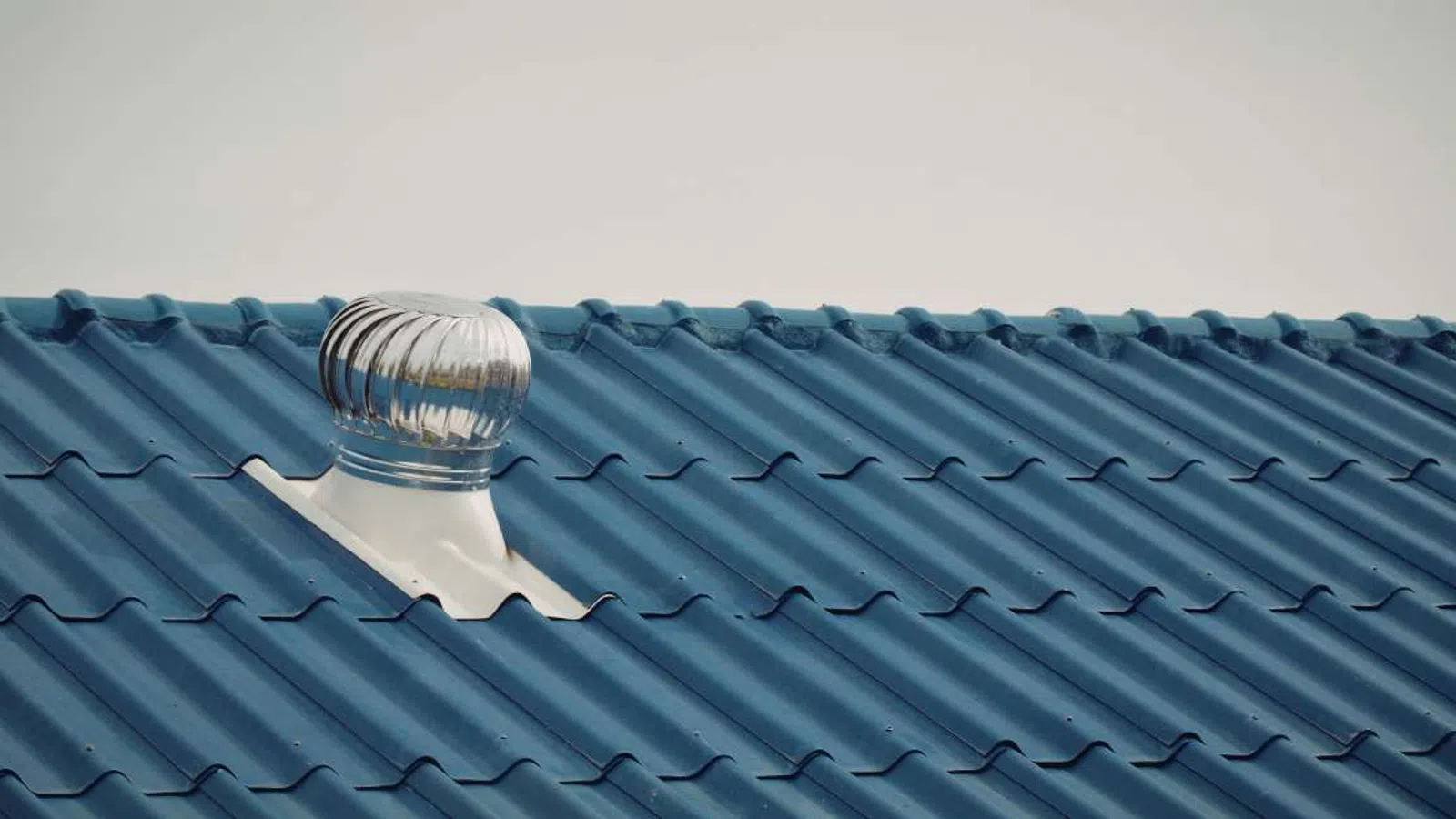
Roof Ventilation
Proper ventilation is key to the lifespan, warranty and function of your new roof.
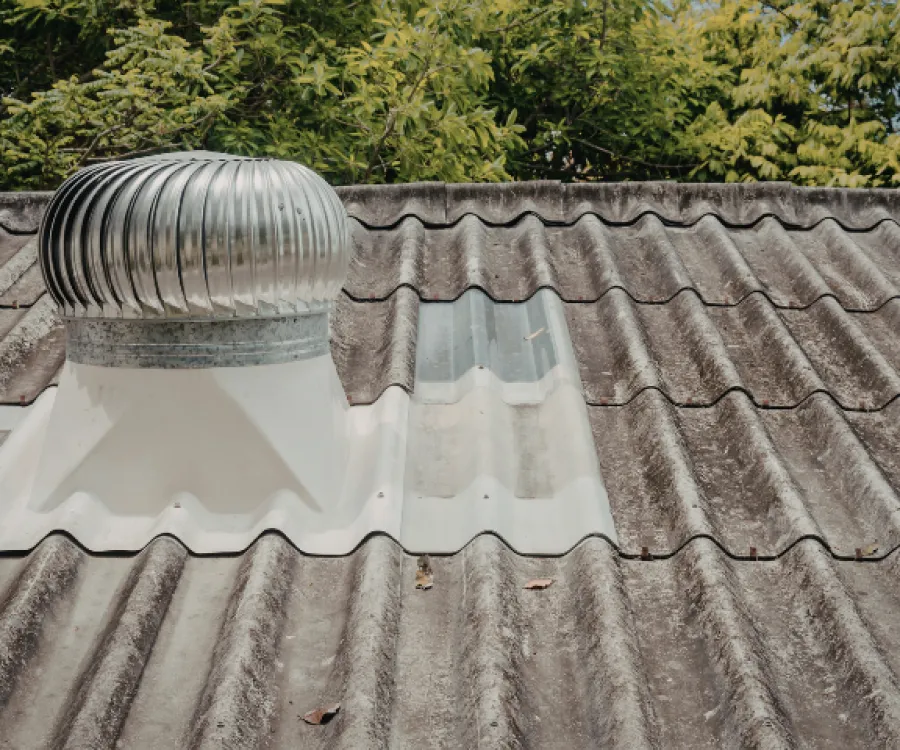
Why Ventilation Matters for Your Roof's Lifespan
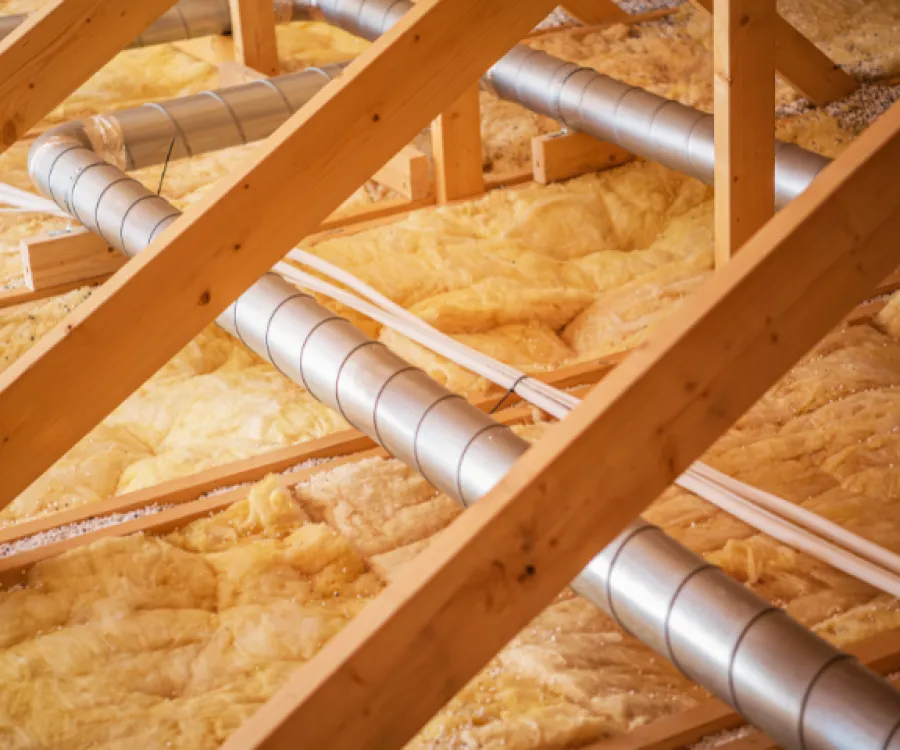
Proper attic ventilation is one of the most overlooked parts of a roofing system, and one of the most important.
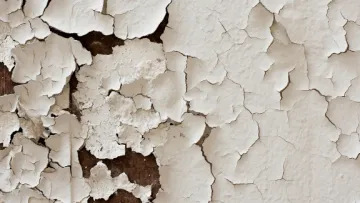
In the summer, an under-ventilated attic traps heat beneath your shingles. Attic temperatures can climb past 150 degrees, baking the shingles from below while the sun bakes them from above. The result is granule loss, curling, and cracking long before the shingles should wear out.
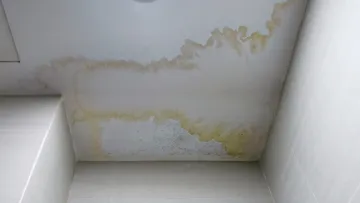
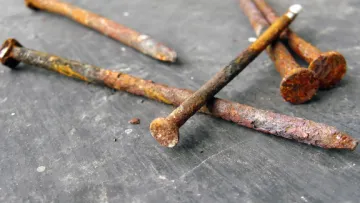
In the winter, the problem flips to moisture. Warm air from your living space rises into the attic, and without enough airflow to carry it back out, that moisture condenses on the roof deck. Over time, the sheathing warps, fasteners rust, and the structural strength of the roof starts to slip. A properly ventilated attic also helps reduce cooling costs and lowers the risk of mold growth inside the home.
As part of any roof replacement, we inspect your attic, evaluate your existing ventilation, and make sure your new roof is set up to last the full life it was built for.
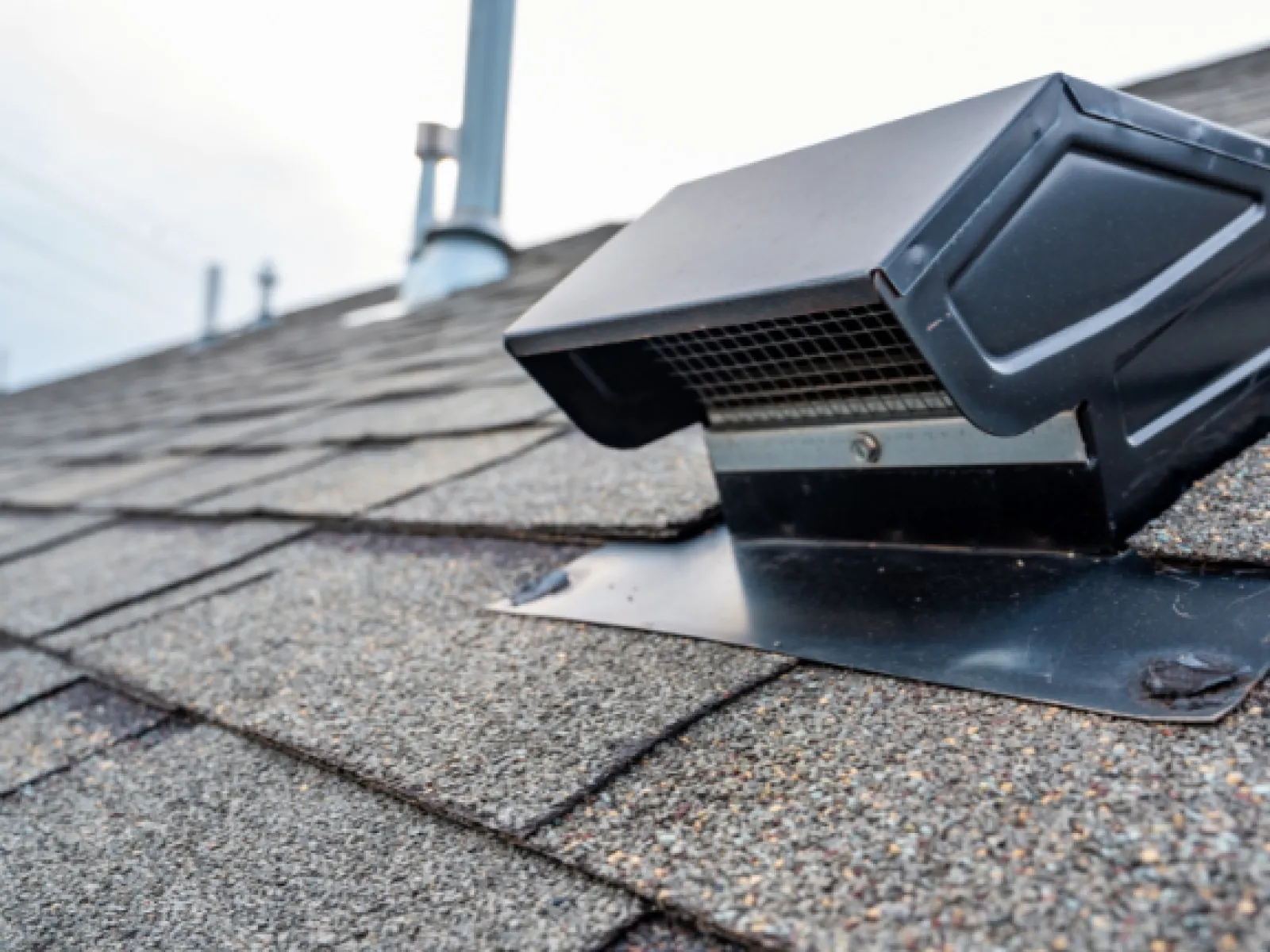
What is Proper Ventilation?
Signs Your Attic Isn't Properly Ventilated



Improving your attic ventilation
- Make sure soffit intake vents are free from obstruction.
- Ensure you have enough soffit vents to create adequate air flow.
- Inspect power ventilators to make sure they are working properly.
- Inspect ridge vents for signs that rain is leaking or being sucked in through the ridge vent.