
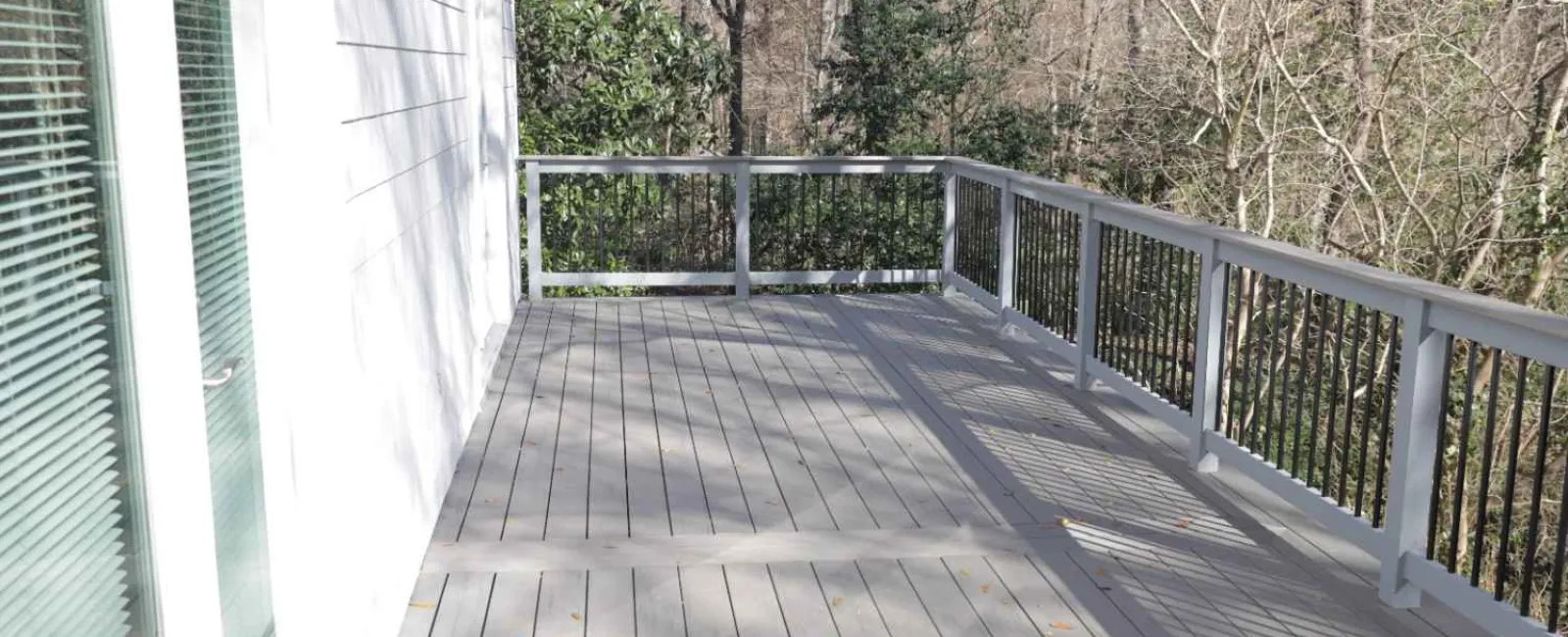
A damaged deck board might seem
like a small problem, but leaving it in place can lead to bigger issues down
the road. Rotting deck boards can spread decay to the joists underneath. Warped
deck boards create tripping hazards, and soft, splintering wood is a safety
concern for anyone walking barefoot, especially kids and pets.
Replacing deck boards is a
project some homeowners feel comfortable handling on their own, and if you fall
into that category, this blog walks you through the process. However, if you take a
closer look at your deck and realize the damage goes deeper than a few surface
boards, or if the project feels like more than you want to take on yourself, then a full deck replacement performed by a professional team might be the smarter move.
Signs It's Time to Replace Your Deck Boards
Before you start pulling up
boards, it helps to know whether you're dealing with a few damaged spots or a
more widespread problem. Here are some common signs that your deck boards need
to be replaced:
- Soft or spongy spots. Press a screwdriver into the wood. If it sinks in easily, the board is rotting from the inside and needs to come out.
- Warping or cupping. Boards that have twisted, bowed, or cupped create an uneven surface and tend to hold water, which accelerates further damage.
- Cracks and splintering. Small surface cracks are cosmetic, but deep splits that run the length of the board compromise its structural integrity.
- Visible mold or decay. Discoloration, mushroom growth, or a musty smell are signs of rot, especially on the underside of the boards.
- Loose or popping fasteners. If nails or screws keep working their way out, the wood around them may have deteriorated to the point where it can no longer hold them.
Tools and Materials You'll Need
Replacing deck boards is a
relatively straightforward project if you have the right tools. Here is what
you will want to have on hand before you start:
- Pry bar or flat bar
- Circular saw or reciprocating saw
- Drill/driver with appropriate bit
- Tape measure
- Carpenter's square or speed square
- Deck screws (stainless steel or coated for outdoor use)
- Replacement deck boards (matched to your existing material and dimensions)
- Safety glasses and work gloves
One important note on
materials: try to match your replacement boards to the existing ones. If your
deck uses pressure-treated wood deck boards, use the same species and
dimensions. If you have composite deck boards, order from the same manufacturer
and product line if possible, since colors and profiles vary between brands.
Keep in mind that new boards may not match the weathered color of your existing
deck right away. Pressure-treated lumber will gray over time to blend in, and
composite boards may need a season or two to even out.
How to Replace Deck Boards
Once you have confirmed that
your joists are in good condition and you have your materials ready, here is
how to replace the damaged boards.
Step 1: Remove the Damaged Board
Start by removing the fasteners
from the damaged board. If the board is screwed down, back the screws out with
your drill. If it is nailed, use a pry bar to work the board up carefully. Go
slowly and try not to damage the surrounding boards or the joists underneath.
If the board is too
deteriorated to remove in one piece, use a circular saw to cut it into
sections. Set your blade depth so it only cuts through the deck board and does
not gouge the joist below. A reciprocating saw can also work well for cutting
alongside the joists.
Step 2: Inspect the Joists
With the board removed, take a
good look at the joists underneath. This step is critical. Use a screwdriver to
probe the wood. If the joists feel solid and show no signs of rot, you are in
good shape to continue with replacing deck boards. If the joists are soft,
discolored, or crumbling, the damage goes deeper than the surface and a simple
board swap will not solve the problem. At that point, you are looking at
structural work that should be evaluated by a professional.
Step 3: Measure and Cut the Replacement Board
Measure the opening where the
old board was and cut your replacement to length. Each end of the board should
land on the center of a joist so you have solid wood to fasten into. If the old
board's end did not sit on a joist, you may need to add a cleat (a short piece
of lumber screwed to the side of the joist) to provide support for the new
board's edge.
Leave a small gap between the new board and the adjacent boards on either side. This
spacing allows for drainage and expansion, especially with pressure-treated
lumber that may still contain moisture.
Step 4: Secure the New Board
Set the replacement board in
position and fasten it with deck screws. Use two screws at each joist location,
driving them at a slight angle toward each other for a stronger hold. Pre-drill
your holes if you are working near the end of a board to prevent splitting.
Make sure the screw heads sit
flush with or just slightly below the surface of the board. Screws that stick
up are a splinter and snag hazard, while screws driven too deeply can weaken the
board at the fastener point.
Step 5: Finish and Protect
If you are working with wood
deck boards, apply a water-repellent stain or sealant to the new board to help
it weather evenly with the rest of the deck. Even pressure-treated lumber
benefits from a protective finish once it has had time to dry, usually a few
weeks after installation. Composite deck boards do not need staining or
sealing, but you should clean them according to the manufacturer's instructions
to maintain their appearance.
When to Replace a Few Boards vs. the Whole Deck
Swapping out a handful of
damaged boards makes sense when the rest of your deck is structurally sound and
still has years of life left. However, there are situations where replacing
individual boards is just a temporary fix for a bigger problem.
A full deck replacement is
usually the better investment when most of the deck surface shows signs of
wear, rot, or damage. The same goes for situations where the joists, ledger
board, or posts are compromised. If your deck is 20 years old or older and you
find yourself replacing boards regularly, you are likely spending more time and
money on patches than a new deck would cost.
There is also the question of materials. If your existing deck is built with older pressure-treated lumber that has weathered significantly, new boards may never fully blend in. In that case, a full deck replacement gives you the opportunity to upgrade to composite deck boards or a newer wood species that requires less maintenance and holds up better against Georgia's heat and humidity.
How to Prevent Future Deck Board Damage
Once your new boards are in, a
little maintenance goes a long way toward keeping them in good shape. Sweep
debris off your deck regularly, especially leaves and pine needles that trap
moisture against the wood. Keep the gaps between boards clear so water can
drain. Apply a fresh coat of sealant or stain to wood decks every one to three
years, depending on your climate and sun exposure.
Check underneath your deck once
or twice a year. Rotting deck boards often start from the bottom, where moisture
gets trapped, so catching early signs of decay before it reaches the surface
can save you from larger problems later.
If your deck sits close to the
ground with little airflow underneath, consider improving ventilation. Poor air
circulation is one of the most common reasons decks in the Southeast
deteriorate faster than expected.
When the Job Calls for a Professional
Replacing a damaged deck board
or two is a manageable weekend project for many homeowners. However, if you step
outside, start looking at your deck, and realize the problem is bigger than a
few bad boards, it may be time to call a professional.
That is where EXOVATIONS comes
in. We build custom decks for homeowners across the Atlanta area. From material selection and design to installation and
finishing, our team handles every detail so you can enjoy a stress-free
remodeling experience.
Whether you are ready for a complete deck upgrade or just want a professional opinion on whether your current deck is worth saving, we are happy to help. Schedule a free consultation with EXOVATIONS today and let us help you figure out the best next step for your home.


