
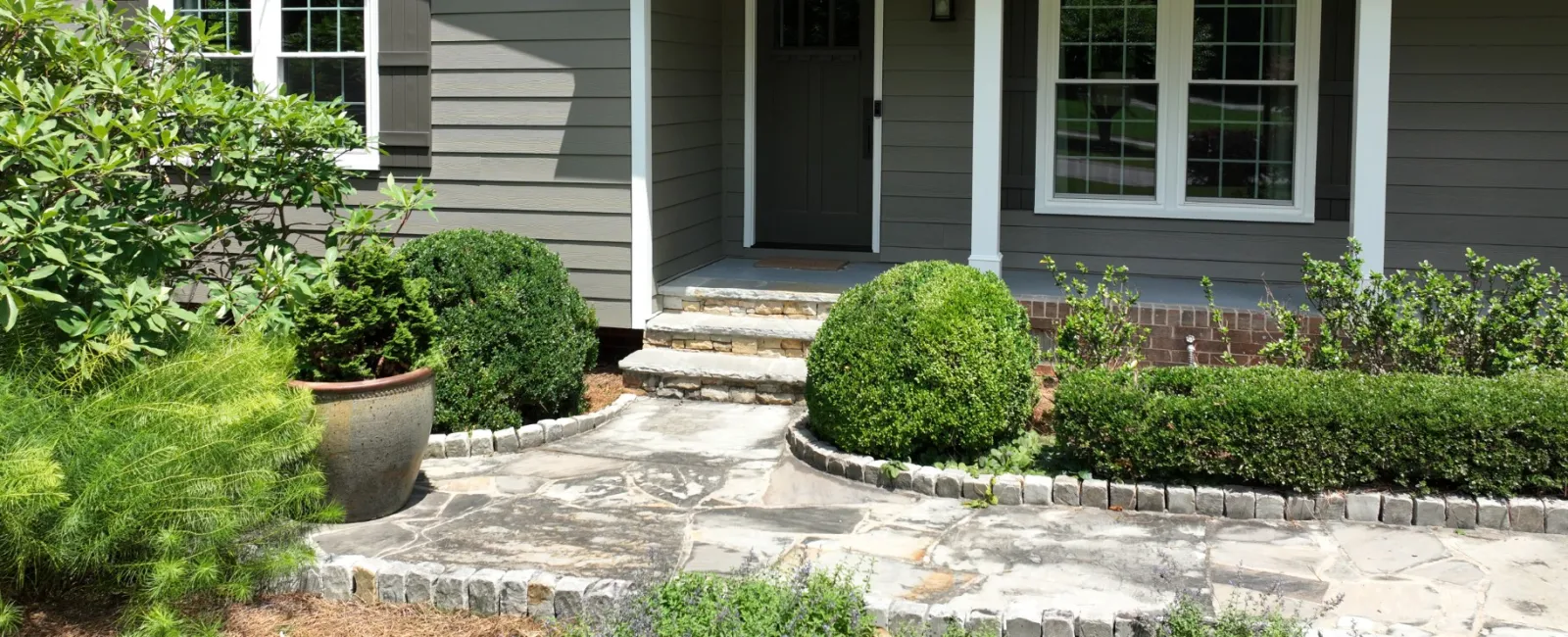
Concrete porch cracking happens due to soil movement, weather exposure, improper installation, or poor materials. As the ground shifts or moisture infiltrates, the concrete loses stability and develops cracks. Temperature changes can also cause concrete to expand and contract, leading to cracks in concrete patios. To fix a cracked concrete patio, you may need to repair, resurface, or fully replace it, depending on the severity of the damage and the underlying cause.
Concrete porch cracking is one of the most common issues homeowners face with outdoor living spaces. Whether you see small hairline cracks or larger fractures, understanding why your porch is cracking can help you prevent further damage and determine the best way to repair or replace it. Fixing a cracked porch floor starts with understanding why the damage occurred in the first place.
Understanding Why Concrete Porch Cracking Happens
Soil Movement and Foundation Shifts
One of the leading causes of concrete porch cracking is the ground beneath the porch shifting over time. Soil expands and contracts with moisture changes, particularly in regions with heavy rain, clay soils, or freeze-thaw cycles. When the ground moves, the rigid concrete slab sitting on top has no flexibility to adapt, resulting in cracks.
Homeowners in areas with significant soil movement often see cracks in concrete patios after just a few years—even if the concrete was installed correctly. If the soil wasn't properly compacted before pouring, the concrete could sink unevenly, leading to larger broken concrete patio sections.
Weather and Temperature Fluctuations
Your porch floor is constantly exposed to the elements, and concrete porch cracking often results from temperature changes. In colder climates, water can seep into small pores in the concrete. When temperatures drop, that water freezes and expands, putting pressure on the concrete from within. This process—called freeze-thaw damage—causes small cracks to form, which gradually grow into more noticeable cracked concrete patios.
In hotter climates, excessive sun exposure can dry out the concrete, making it more brittle and prone to cracking. Combine that with occasional heavy rains, and you have the perfect recipe for a broken concrete patio.
Improper Installation or Low-Quality Materials
Not all concrete porch cracking is the result of natural forces. Sometimes, the way the concrete was mixed, poured, or cured can lead to problems. If the contractor used too much water in the concrete mix, it can weaken the slab, making it more likely to develop cracks in the porches. Likewise, skipping essential steps like reinforcement or proper curing can leave you with a fragile, cracked concrete patio within just a few years.
What Do Cracks in Concrete Patios Mean?
A small hairline crack might just be a cosmetic flaw, but larger or widening cracks could signal more serious structural problems. Cracked concrete porches that show vertical displacement—where one side of the crack sits higher than the other—often indicate foundation movement underneath. This could lead to trip hazards, water drainage issues, and eventually, a broken concrete patio.
Can You Cover or Repair a Cracked Concrete Patio?
If you're wondering how to cover cracked concrete patio areas to make them look better, there are many options. However, covering a cracked concrete patio is only a temporary fix if you don't address the root cause of the cracks.
Overlay Systems
Concrete overlays can create a fresh, decorative surface over existing cracks. These overlays are often used to hide cracks in patios, but they work best on small, non-structural cracks. If the foundation beneath the patio is still shifting, new cracks will eventually appear through the overlay.
Concrete Resurfacing
Resurfacing uses a thin layer of specialized concrete or polymer cement applied over the existing cracked patio. This method works well for cosmetic fixes, but like overlays, it doesn't solve underlying structural problems. For larger broken porch sections, full replacement may be necessary.
Flexible Coatings
For patios that are still structurally sound but show minor cracking, flexible epoxy or rubber coatings can create a slip-resistant, decorative surface. These coatings can stretch slightly with future movement, reducing the chance of new cracks appearing right away.
Is Replacement the Best Option for a Broken Concrete Patio?
If your porch floor is severely uneven or shows widespread cracks in some areas, replacement might be the smartest option. Repairing large cracks or sunken areas can be expensive and often only delays inevitable replacement. Modern materials and techniques, such as reinforced concrete with proper expansion joints, can dramatically reduce the chances of future cracking.
Preventing Future Concrete Porch Cracking
Proper Site Preparation
The most important step to preventing cracking is proper site preparation before the concrete is ever poured. This means:
Compacting the soil thoroughly
Adding a well-graded gravel base
Ensuring proper drainage away from the porch
Using appropriate rebar or mesh reinforcement
Controlling Moisture
Keep your porch as dry as possible by maintaining good drainage around your home. Gutters should direct water away from the porch, and the surrounding landscape should slope gently away from the slab. Applying a high-quality concrete sealer every few years can also help protect against moisture intrusion and freeze-thaw damage.
Expansion Joints Matter
Concrete expands and contracts with temperature changes, and without proper expansion joints, cracks are practically guaranteed. Professional contractors strategically place these joints to allow for movement, minimizing stress cracks.
Quality Materials and Proper Curing
Using the right concrete mix and allowing enough curing time ensures your porch floor reaches its full strength. Rushing the curing process or using inferior concrete can lead to premature concrete porch cracking.
What's the Best Way to Cover a Cracked Concrete Patio?
If you prefer to cover cracked areas rather than replace them, here are a few options that balance cost and durability:
Outdoor Tile
Porcelain or natural stone tile can be installed over a structurally sound but cracked concrete patio. Crack isolation membranes can help prevent cracks from transferring into the tile.
Stamped Concrete Overlay
A stamped concrete overlay can mimic the look of natural stone, brick, or wood while covering minor cracks. This option is popular for updating older patios with minimal demolition.
Composite Decking
For patios with severe cracking, installing a raised composite deck over the slab offers a completely new surface with excellent durability. This option can completely hide even the broken concrete patio underneath.
The Importance of Professional Inspection
If you're unsure whether your concrete porch cracking is cosmetic or structural, getting a professional inspection is a smart move. Structural engineers or concrete specialists can assess the cracks, determine whether soil movement or poor construction is to blame, and recommend the most cost-effective solutions. Ignoring serious cracks can lead to safety hazards, water infiltration, and even damage to your home's foundation.
Final Thoughts
Concrete porch cracking is a frustrating but common problem for homeowners. Whether your porch floor shows minor hairline cracks or severe unevenness, the key to solving the problem is understanding why the cracks appeared in the first place. From soil movement to poor installation, weather exposure to low-quality materials, multiple factors contribute to cracked porches.
For small cracks, resurfacing or overlay options can improve appearance temporarily. However, for widespread damage or broken concrete patios, replacement may be the better investment. If you're looking to cover cracked areas without major reconstruction, outdoor tile, stamped overlays, or composite decking can all provide attractive solutions.
If you're dealing with concrete porch cracking, don't ignore it. Addressing the root cause now can save you from bigger (and more expensive) problems down the road.
Need Help with Your Porch Floor?
If your porch cracking has you frustrated, contact a local concrete specialist for a professional assessment. Whether you need repair, replacement, or creative ways to cover cracked concrete patio surfaces, getting expert advice ensures you choose the best long-term solution for your home. Contact EXOVATIONS today to get a free estimate.


