
Window
Condensation: What It Means and When You Should Worry
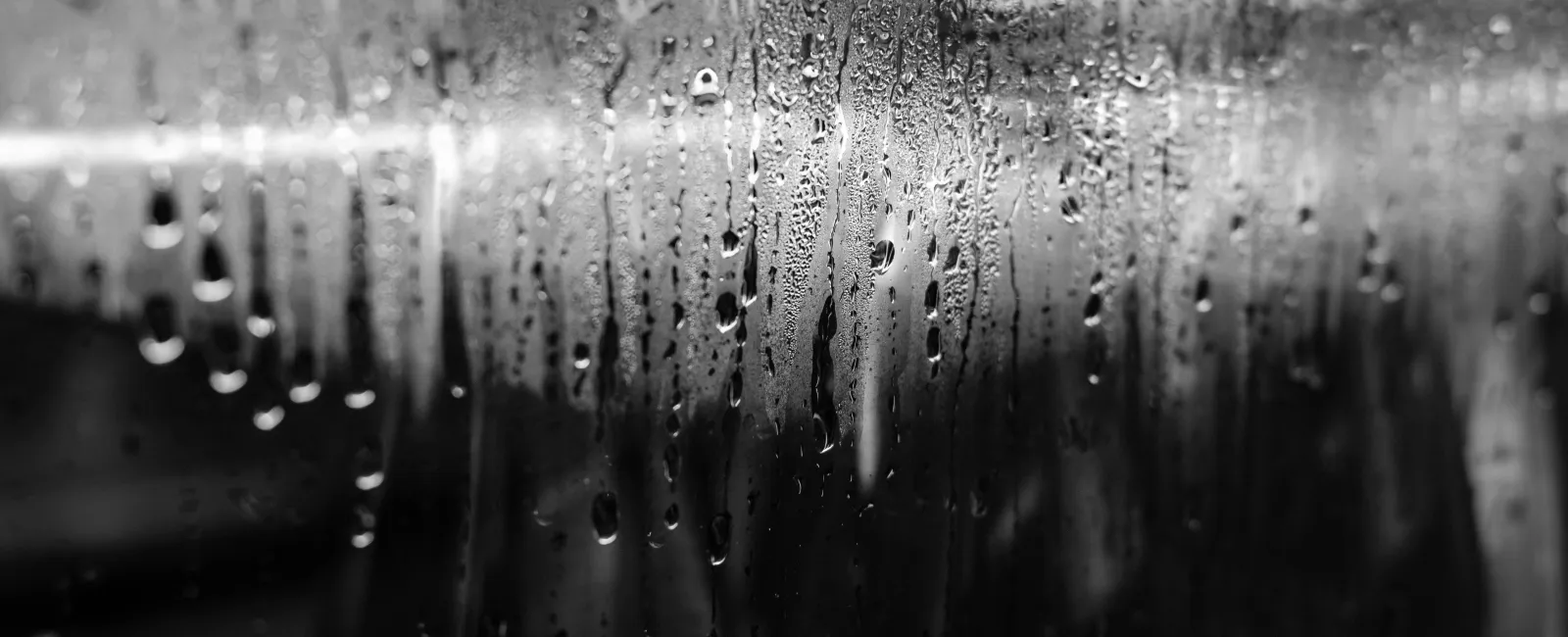
Window condensation is a common concern for Atlanta homeowners, and while it is not always a sign of trouble, it can sometimes indicate a problem worth addressing.
Why Condensation Forms on Windows
Condensation happens when warm,
moist air comes into contact with a cooler surface. Your windows are often the
coldest surface in a room, so they are the first place moisture shows up. It is
the same reason a cold glass of water sweats on a humid afternoon.
In most cases, condensation on
the interior surface of your windows is a humidity issue inside the home, not a
window defect. Cooking, showering, running a humidifier, and even breathing all
add moisture to the air. When that moisture hits a cool window pane, it
condenses into water droplets.
Interior Condensation
Condensation on the
inside surface of your windows during cool mornings, and it disappears as the
day warms up, means the
humidity level in your home is relatively high compared to the outdoor
temperature.
You can reduce interior
condensation by running exhaust fans in kitchens and bathrooms, using a
dehumidifier during humid months, making sure your HVAC system is properly
sized and maintained, and improving air circulation by opening interior doors
and running ceiling fans on low.
New, energy-efficient windows
can actually make interior condensation more noticeable because they insulate
better. Your old, drafty windows may have allowed enough air exchange to
prevent moisture buildup, but that air exchange was also costing you money on
your energy bills.
Condensation Between Panes
If you see fog or moisture
trapped between the two panes of a double-pane window, this means the seal between the panes has failed, allowing
the insulating gas (usually argon) to escape and outside air to enter the gap.
A broken seal does not just
look bad; it is dangerous. It also means the window has lost much of its insulating ability. The
argon gas fill is what gives double-pane windows their energy efficiency, and
once that seal is broken, the window is essentially performing like a
single-pane unit.
In some cases, the glass unit
alone can be replaced without removing the entire window frame. However, if the
windows are old and the seal failure is widespread across multiple windows,
full replacement is often the more practical and cost-effective solution.
Exterior Condensation
Condensation on
the outside of your windows is actually a positive indicator. It means your
windows are insulating so well that the outer pane stays cool enough for dew to
form on it, just like dew on your car windshield in the morning.
Exterior condensation is common
in the spring and fall in Atlanta when nighttime temperatures drop, but humidity
remains high. It requires no action and typically clears up as the sun warms
the glass.
When Condensation Signals a Bigger
Problem
Beyond the cosmetic annoyance,
persistent condensation can lead to real problems if left unchecked. Water that
collects at the bottom of window frames can cause wood rot, mold growth, and
paint damage. Over time, that moisture can work its way into the wall cavity
and cause structural issues that are far more expensive to repair than the
window itself.
If you are seeing condensation
accompanied by peeling paint, soft or discolored wood around the frame, a musty
smell near the windows, or visible mold or mildew, it is time to have the
windows professionally evaluated.
Should You Replace Your Windows?
If your windows have failed
seals between the panes, show signs of water damage to the frames, or are more
than 20 years old, replacement is worth serious consideration. Modern
energy-efficient windows eliminate the condensation-related problems of older
units and deliver significant savings on your energy bills.
Replacement windows also add
measurable value to your home. Buyers notice clear, fog-free glass and
well-maintained frames, and they appreciate knowing the windows will not need
attention for years to come.
Get Expert Advice from EXOVATIONS
If condensation is causing
concern, the team at EXOVATIONS can help you determine whether your windows
need repair or replacement. We have been helping Atlanta homeowners with window
solutions for nearly 30 years, and we will give you an honest assessment. If replacement is the right call, our EXOvision design system lets
you preview your new windows before installation day. Contact EXOVATIONS for a
free consultation.


