
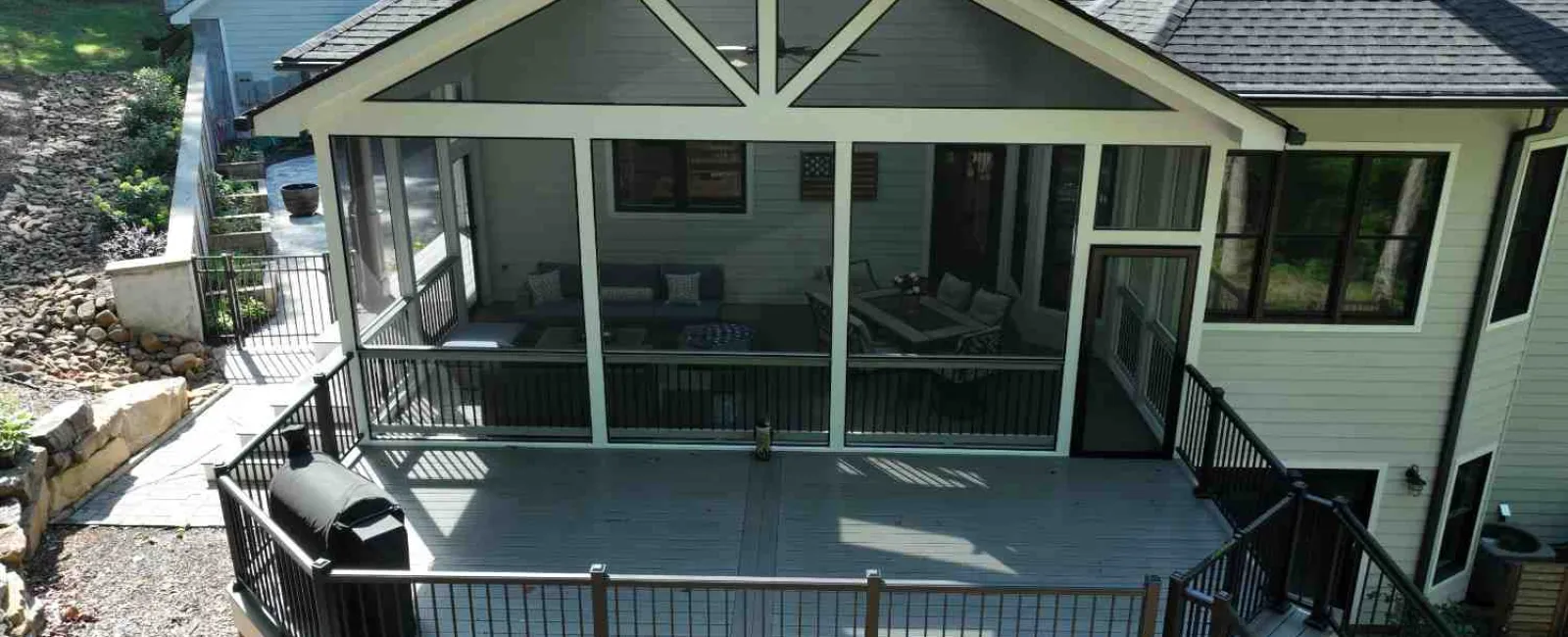
Elevated Deck Design Ideas: Creating the Perfect Outdoor Living Space
Elevated decks transform challenging terrain into valuable outdoor living space while creating dramatic architectural features that enhance your home's appearance and functionality. Whether your property slopes away from your house, you have a walkout basement, or you simply want the elevated views an upper-level deck provides, understanding design options helps you create a deck that meets your practical needs while reflecting your aesthetic preferences.
Why Choose an Elevated Deck?
Elevated decks solve problems that ground-level patios cannot address. Sloping yards make ground-level outdoor spaces impractical without extensive and expensive grading work. An elevated deck creates level usable space regardless of terrain, extending directly from your main living areas without requiring you to navigate stairs to reach outdoor space.
The elevation provides natural privacy from neighbors and street traffic that ground-level decks lack. Even a deck elevated just a few feet creates psychological separation from surrounding properties, making your outdoor space feel more secluded and intimate. Upper-level decks off second-story rooms provide even greater privacy while offering views over fences and neighboring structures.
Walkout basements benefit enormously from elevated decks that create seamless transitions between lower-level living spaces and yards. These decks provide shaded areas beneath perfect for storage, outdoor equipment, or additional patio space while the upper deck surface serves as primary outdoor living area.
The architectural impact of elevated decks adds dimension and visual interest to your home's exterior. A well-designed elevated deck with quality materials and thoughtful details becomes a focal point that enhances curb appeal and property value substantially beyond what ground-level decks achieve.
Composite Decking: The Premium Choice
Composite decking has become the preferred material for elevated decks among homeowners who prioritize low maintenance, longevity, and consistent appearance. Unlike wood that requires regular staining, sealing, and maintenance, composite materials deliver decades of performance with minimal care.
Modern composite decking combines wood fibers with protective polymer shells that resist fading, staining, scratching, and moisture damage. Premium composite brands offer rich colors and realistic wood grain textures that provide wood's aesthetic appeal without its maintenance demands. These materials won't splinter, crack, or warp, creating safe, comfortable surfaces for bare feet.
The dimensional stability of composite decking matters particularly for elevated decks where structural movement becomes more noticeable. Composite materials expand and contract less than wood, maintaining consistent gaps between boards and preventing the cupping or warping that creates uneven surfaces on aging wood decks.
Composite decking's fade resistance preserves your deck's appearance for years. While wood decks gray and weather within months of installation, composite materials maintain their original color and finish for decades. This consistency keeps your elevated deck looking new long after traditional wood decks would require refinishing or replacement.
The longevity composite decking provides justifies its higher initial cost. When you factor in the labor and materials required to maintain wood decks over 20 years—including regular cleaning, staining, board replacement, and eventual complete replacement—composite decking proves more economical while eliminating the ongoing maintenance burden.
Railing Design: Balancing Safety, Style, and Views
Elevated deck railings serve critical safety functions while significantly impacting your deck's appearance and how you experience the space. Building codes require railings on any deck surface more than 30 inches above grade, making railing design essential for elevated decks.
Vertical metal balusters have become increasingly popular for elevated decks because they maximize views while providing required safety barriers. Unlike horizontal cables or pickets that segment views into horizontal bands, vertical balusters create minimal visual obstruction, preserving sight lines to landscaping, distant views, or outdoor features you want to enjoy from your deck.
Aluminum balusters offer exceptional durability with minimal maintenance. Powder-coated finishes resist fading and corrosion while providing color options from classic black to bronze, copper, or white that complement your home's exterior. The slim profile of metal balusters reduces visual weight compared to wood alternatives, creating a lighter, more contemporary appearance.
Composite railing systems combine composite top and bottom rails with metal balusters, coordinating with composite decking while incorporating the view-preserving benefits of vertical metal. These integrated systems ensure color consistency between decking and railing while meeting code requirements for strength and baluster spacing.
Drink Rail Caps: Functional Elegance
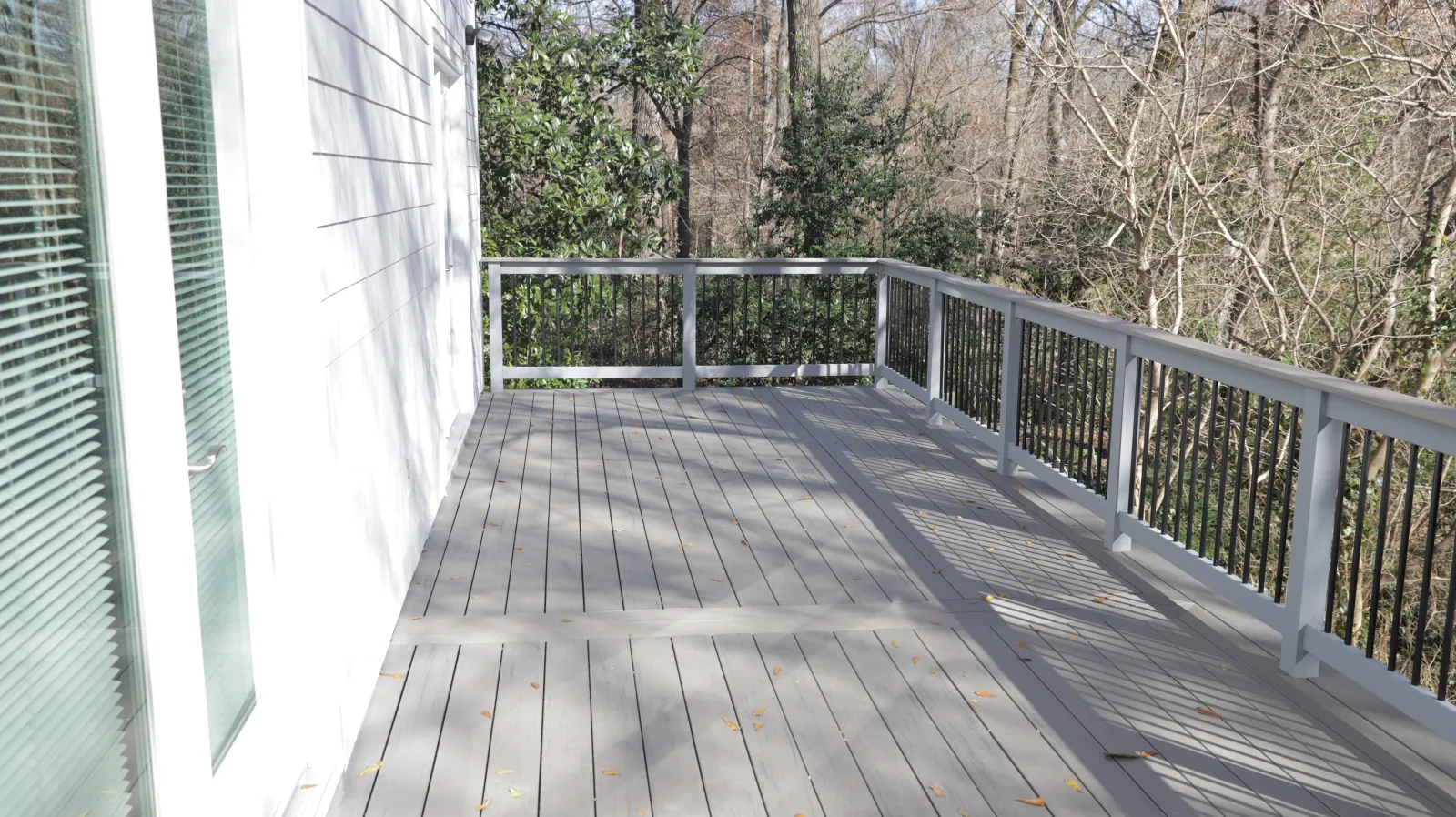
Drink rail caps—wider top rails designed to accommodate beverages, plates, and decorative items—transform standard railings into functional surfaces that enhance deck usability. These wider rails, typically 5 to 6 inches wide compared to standard 3.5-inch rails, provide stable surfaces for setting drinks, displaying potted plants, or resting arms comfortably while enjoying deck views.
The practical benefits of drink rails become apparent during gatherings when guests naturally gravitate to railing perimeters. Having stable surfaces for beverages prevents spills and eliminates the need for side tables that consume deck space and impede traffic flow. The continuous surface around your deck perimeter creates serving and display space that complements primary seating areas.
Drink rails add visual substance to deck railings, creating more substantial appearances that balance elevated deck proportions. The wider top rail draws the eye horizontally, emphasizing the deck's size while providing architectural weight that prevents railings from appearing flimsy or insubstantial.
Material choices for drink rails include composite matching your decking, cellular PVC that resists moisture and insects, or even metal to coordinate with baluster finishes. Color contrasts between rail caps and posts create custom looks, while matching materials throughout provide cohesive appearances.
Picture Frame Decking: Sophisticated Detail
Picture frame decking borders the deck perimeter with boards running perpendicular to the main decking direction, creating a framed appearance similar to hardwood floors. This design detail elevates deck aesthetics from basic to custom, providing professional finished appearances that increase perceived quality and value.
The visual impact of picture framing comes from the directional contrast between perimeter and field boards. This border draws the eye around the deck's edges, emphasizing its size and shape while creating definition that simple single-direction decking lacks. The technique works particularly well on elevated decks where the deck surface is highly visible from yards and neighboring properties.
Picture framing requires additional material and more complex installation than standard decking patterns, but the enhanced appearance justifies the modest additional cost. The perimeter border conceals deck board ends, eliminating the less attractive cut ends visible on standard installations. This creates cleaner, more refined edges that professional installers recognize as hallmarks of quality construction.
Color contrasts amplify picture framing's visual impact. Using darker composite boards for the border with lighter field boards, or vice versa, creates dramatic definition. Even subtle color variations between border and field create sophisticated two-tone effects that showcase attention to design detail.
Stairway Design Considerations
Elevated decks require thoughtful stair design that provides safe, comfortable access while integrating architecturally with the deck and home. Stairs represent significant portions of elevated deck projects both in cost and visual impact, making design decisions important.
Straight runs work well for moderate elevations and provide the most space-efficient stair configurations. Wide stairs, 4 to 6 feet across, create substantial presence and comfortable two-person passage. Narrower stairs minimize material costs and footprint while still providing adequate access.
Landings at intermediate heights break up long stair runs required for significant elevations. These landings provide rest spots, create interesting architectural geometry, and can incorporate directional changes that fit stair runs into available yard space. Multi-level decks often integrate landings that serve as secondary deck platforms.
Matching stair materials to deck finishes creates a cohesive appearance. Composite stair treads coordinating with deck boards, composite or metal stair railings matching deck railings, and consistent color schemes throughout unify stairs and deck as integrated elements rather than separate components.
Professional Design and Construction
Elevated deck projects involve structural engineering, code compliance, and construction expertise that separate professional installations from amateur attempts. The height, loads, and exposure elevated decks experience require proper foundation design, adequate structural support, and robust connections that DIY builders often underestimate.
Professional deck builders understand local building codes, required inspections, and proper construction techniques specific to elevated applications. They design foundations appropriate for soil conditions, calculate beam and joist sizing for span and load requirements, and install flashing and connections that prevent water infiltration and structural failure.
At EXOVATIONS, we specialize in custom elevated deck design and construction that transforms outdoor living spaces. Our experience with composite materials, railing systems, and sophisticated design details like picture framing and drink rails ensures your deck project delivers the functionality, aesthetics, and durability you expect from a significant home improvement investment.


