
Ultimate Guide To Deck Wood Types: Choosing The Perfect Material For Your Outdoor Space
Building or renovating a deck is one of the smartest investments you can make in your home. Not only does it expand your living space and create a perfect spot for entertaining, but it also offers an impressive return on investment. According to recent industry data, wooden decks provide a 52.4% ROI on average, making material selection a decision that impacts both your enjoyment and your home's value.
Choosing the right deck wood type can feel overwhelming with so many options available. Should you go with budget-friendly pressure-treated wood? Splurge on premium cedar or redwood? Or consider low-maintenance composite materials? Each option brings its own set of benefits, costs, and maintenance requirements.
In this comprehensive guide, we'll walk you through every major type of deck wood, helping you understand the pros and cons of each material so you can make an informed decision that fits your budget, lifestyle, and climate.
Factors To Consider When Choosing Deck Wood
Before diving into specific wood types, let's look at the key factors that should guide your decision:
Durability and Lifespan: How long will the wood last in your climate? Some woods naturally resist rot, decay, and insects better than others. The lifespan of deck materials ranges from 10 years for basic pressure-treated wood to 50+ years for premium tropical hardwoods.
Maintenance Requirements: Are you willing to seal and stain your deck every few years, or do you prefer a set-it-and-forget-it option? Natural woods typically require more upkeep than synthetic alternatives.
Cost: Initial installation costs vary dramatically, from $2 per square foot for pressure-treated wood to $15 per square foot for exotic hardwoods. Remember to factor in long-term maintenance costs when calculating your true investment.
Appearance: Do you want a natural wood aesthetic with visible grain patterns, or are you open to synthetic options? Some homeowners love how natural wood weathers to a silvery-gray patina, while others prefer maintaining the original color.
Climate Considerations: Your local weather plays a huge role in wood selection. Freeze-thaw cycles, humidity levels, and sun exposure all impact how different materials perform over time.
Pressure-Treated Wood: The Budget-Friendly Workhorse
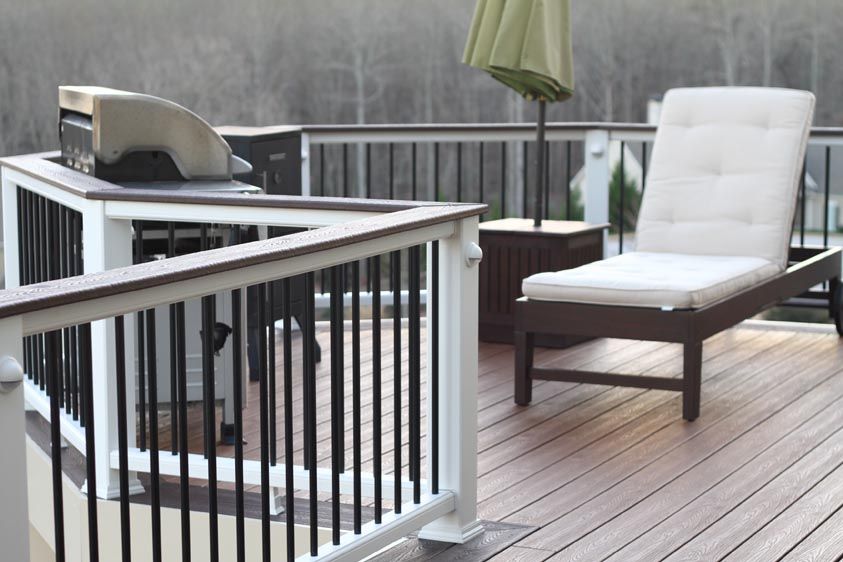
Pressure-treated wood, typically made from Southern Yellow Pine, is the most economical deck material on the market. The treatment process forces chemical preservatives deep into the wood fibers, protecting against rot, decay, and termite damage.
How Pressure Treatment Works
Wood is placed in a sealed chamber where chemical preservatives are forced into the lumber under high pressure. Modern treatments use non-toxic chemicals that are much safer than older formulations, addressing previous environmental concerns while maintaining effectiveness against insects and moisture.
Pros of Pressure-Treated Wood
The affordability of pressure-treated decking makes it accessible for almost any budget, costing between $2 to $5 per square foot for materials. It's widely available at virtually every lumber yard and home improvement center, making it convenient for both DIY projects and professional installations.
This material offers impressive durability when properly maintained, lasting 15 to 30 years depending on climate and care. Many retailers offer limited warranties against rot and decay, provided the decking has been correctly installed. Pressure-treated wood is also rated for ground contact, making it the ideal choice for low-profile decks with minimal clearance.
The versatility of pressure-treated lumber means you can stain or paint it to match any aesthetic preference, giving you creative freedom while staying within budget.
Cons of Pressure-Treated Wood
The initial appearance of pressure-treated wood can be off-putting, with its greenish or yellowish tint from the chemical treatment. As a softwood, it's prone to splintering, warping, and cracking, especially as it dries out over time. Regular maintenance is essential to extend its lifespan and keep it looking good.
In dry climates, pressure-treated wood can become unstable, shrinking considerably as the boards dry. The treated wood also tends to have a rough texture that can be uncomfortable for bare feet, and splinters may cause infections due to the chemical content, making it less ideal for families with young children or pets.
Best For
Pressure-treated wood is perfect for homeowners working with tight budgets, DIY enthusiasts who want readily available materials, foundation and structural components, and ground-level or low-clearance decks.
Cedar: The Classic Choice With Natural Beauty
Western Red Cedar has been a favorite decking material for generations, prized for its stunning appearance and natural resistance properties. This softwood offers an excellent balance between performance and cost.
What Makes Cedar Special
Cedar contains natural oils that act as preservatives, providing built-in resistance to rot, decay, and insect damage without chemical treatment. The wood has a unique ability to adjust its moisture content to match surrounding atmospheric conditions, reducing the warping and cracking common in other materials.
Pros of Cedar Decking
Cedar's natural beauty is immediately apparent, with its warm reddish-brown tones and attractive grain patterns creating an elegant, timeless look. The wood is remarkably stable, resisting warping, splitting, and twisting better than most softwoods.
Working with cedar is a pleasure for contractors and DIYers alike. It's lightweight, easy to cut, and accepts stains beautifully, allowing for customized finishes. As cedar ages, it develops a distinguished silvery-gray patina that many homeowners find attractive.
The wood's natural ability to adapt to ambient moisture makes it particularly well-suited for climates with freeze-thaw cycles, where other materials might suffer damage. With proper maintenance, including annual cleaning and staining every 2-3 years, cedar decks typically last 15 to 20 years.
Cons of Cedar Decking
Cedar comes with a higher price tag than pressure-treated wood, typically costing $4 to $9 per linear foot depending on grade. The material requires consistent maintenance to preserve its appearance and prevent weathering to gray.
As a softwood, cedar is more susceptible to scratches, dents, and damage than harder woods. When selecting cedar decking, choose heartwood over lighter sapwood, as sapwood lacks the natural oils that provide decay resistance.
Best For
Cedar is ideal for homeowners who want natural wood aesthetics, those living in areas with freeze-thaw cycles, people willing to invest in regular maintenance, and anyone seeking a mid-range option between pressure-treated and premium hardwoods.
Redwood: Premium Beauty With Exceptional Durability
Redwood is the premium choice among softwoods, offering stunning visual appeal and impressive natural resistance to decay and insects. Its rich reddish-brown color and fine grain pattern make it a standout material for luxury decks.
Understanding Redwood's Natural Properties
Redwood's natural oils and tannins provide excellent protection against moisture, rot, and insect damage. The wood has an open-celled structure with minimal pitch or resins, allowing it to absorb and retain finishes exceptionally well while maintaining structural integrity.
Pros of Redwood Decking
The appearance of redwood is unmatched, with deep red tones ranging from light to dark red creating a luxurious, high-end look. The wood's straight grain and minimal knots contribute to its refined aesthetic.
Redwood is naturally resistant to warping, checking, and splitting, making it more stable than many alternatives. It's easy to work with, accepting hand and power tools readily. With proper care, redwood decks can last 20 to 25 years or more.
Maintenance is relatively straightforward. Annual pressure washing keeps the deck clean, and periodic staining helps preserve the natural color, though many homeowners choose to let redwood weather naturally to its characteristic silvery-gray patina.
Cons of Redwood Decking
Cost is the primary drawback, with redwood typically priced at $6 to $8 per square foot or higher. Availability can be limited outside the West Coast, where the wood is more abundant and affordable.
As a softwood, redwood is easier to scratch and dent than hardwoods, requiring care in high-traffic areas. The rich red color will fade to gray without regular staining and sealing.
Best For
Redwood suits homeowners seeking premium aesthetics, West Coast residents with better access and pricing, those who appreciate natural wood that ages gracefully, and anyone prioritizing longevity and natural beauty over budget considerations.
Composite Decking: The Low-Maintenance Modern Alternative
Composite decking combines wood fibers with plastic to create a synthetic material that mimics wood's appearance while offering superior durability and minimal maintenance requirements.
How Composite Decking Works
Manufacturers blend recycled wood waste with plastic polymers, creating boards that resist many of the issues plaguing natural wood. Advanced manufacturing techniques now produce composite materials with remarkably realistic wood grain patterns and color variations.
Pros of Composite Decking
The minimal maintenance requirements are composite decking's biggest selling point. There's no need for annual staining, sealing, or sanding. Most manufacturers design their products to resist fading, staining, scratching, and mold growth.
Composite decking is splinter-free, making it safe and comfortable for bare feet. The material won't warp, crack, or rot like natural wood, and it typically lasts 25 to 30 years or more. Many manufacturers offer warranties of 25+ years, providing peace of mind.
Installation often uses hidden fastener systems, creating clean, uniform surfaces without visible screw heads. The material comes in various colors and textures, allowing customization without the need for staining.
Cons of Composite Decking
Initial costs run higher than most wood options, typically $7 to $15 per square foot. While composite mimics wood appearance, purists argue it lacks the authentic look and feel of real wood.
Composite decking lacks the structural strength of wood and requires closer joist spacing for proper support. Some products can retain heat in direct sunlight, becoming uncomfortable to walk on barefoot. Lower-quality composites may be prone to mildew or may become slippery when wet.
Best For
Composite decking works well for homeowners seeking minimal maintenance, those living in harsh climates with extreme weather, families with children who prioritize safety and splinter-free surfaces, and anyone willing to invest more upfront for long-term savings.
Tropical Hardwoods: The Ultimate In Durability And Luxury
Tropical hardwoods like Ipe, Cumaru, Tigerwood, and Mahogany represent the pinnacle of deck materials, offering unmatched durability, stunning appearance, and exceptional longevity.
Understanding Tropical Hardwood Properties
These dense hardwoods from Central and South America are naturally resistant to rot, decay, fire, and wood-boring insects. Their density makes them incredibly durable and long-lasting, though it also requires special tools and expertise for installation.
Spotlight on Ipe (Brazilian Walnut)
Ipe is the most popular tropical hardwood for decking, known for its rich brown color with darker grain patterns. It's so dense that it doesn't float in water. Properly maintained Ipe decks can last 40 to 50 years or more.
Pros of Tropical Hardwoods
The durability of tropical hardwoods is unparalleled. They resist scratches, dents, and damage far better than softwoods. These materials are naturally resistant to insects, decay, and moisture without any chemical treatment.
The aesthetic appeal is extraordinary, with rich colors ranging from deep browns to reddish tones and distinctive grain patterns. Many homeowners consider tropical hardwood decks to be investments in their property, adding significant value.
Fire resistance is an added bonus in wildfire-prone areas, with materials like Ipe receiving high fire safety ratings.
Cons of Tropical Hardwoods
Cost is substantial, typically ranging from $11 to $15 per square foot or higher. Installation requires specialized tools and experienced contractors due to the wood's extreme density. Pre-drilling is necessary for fasteners, adding time and labor costs.
Sourcing can be challenging, and environmental concerns exist about tropical deforestation. Look for FSC-certified suppliers to ensure sustainable harvesting practices. The wood can become slippery when wet and may develop surface checking over time.
Best For
Tropical hardwoods suit homeowners seeking the absolute best in durability and appearance, those in harsh climates requiring maximum weather resistance, luxury home builds where premium materials are standard, and environmentally conscious buyers who verify sustainable sourcing.
Douglas Fir: The Structural Performer
Douglas Fir is valued more for its structural strength than its appearance, though it can make an attractive deck when properly treated and maintained.
Pros of Douglas Fir
This wood is exceptionally strong and stable, making it excellent for deck framing and support structures. It responds well to pressure treatment, which improves its resistance to decay, mold, and termites. The cost is moderate, typically falling between pressure-treated pine and cedar.
Cons of Douglas Fir
Douglas Fir requires regular maintenance, including sealing and staining, to prevent weathering. The soft fibers between harder grain lines can wear away without proper treatment, creating a scaly surface prone to splintering. It's not naturally resistant to decay or insects without treatment.
Best For
Douglas Fir works well for deck framing and support structures, regions where the wood is readily available and affordable, and homeowners who want strength and don't mind regular maintenance.
Modified Wood: The Innovation In Deck Materials
Modified wood represents a technological advancement that enhances sustainable softwood species to perform like tropical hardwoods without harsh chemicals.
How Modified Wood Works
The process uses a non-toxic liquid to penetrate wood cells and permanently alter their structure, increasing density and improving performance. Brands like Kebony and Accoya use this technology to create superior deck materials from sustainably sourced softwoods.
Pros of Modified Wood
Modified wood offers the beauty of natural wood with enhanced durability rivaling tropical hardwoods. It's completely safe and chemical-free, making it family and pet-friendly. The material requires minimal maintenance (occasional cleaning only) and is environmentally responsible, using sustainable softwood sources.
Like cedar and redwood, it ages to an attractive silvery-gray patina. The wood resists insects, moisture, and rot effectively while performing well in virtually any climate.
Cons of Modified Wood
Cost is similar to premium natural woods, typically ranging from $6 to $10 per square foot. Availability may be limited compared to traditional materials, and long-term performance data is still accumulating, though early results are promising.
Best For
Modified wood suits environmentally conscious homeowners, those seeking low maintenance with natural wood aesthetics, families wanting chemical-free deck materials, and homeowners in harsh climates requiring superior durability.
Synthetic (PVC) Decking: The Ultimate Low-Maintenance Option
Synthetic decking made from 100% PVC or vinyl contains no wood fibers, offering extreme durability and virtually zero maintenance.
Pros of Synthetic Decking
This material is completely impervious to moisture, rot, and insects. It never requires staining, sealing, or painting. The lifespan can reach 50 years with proper care. It resists scratches, fading, and staining better than composite alternatives.
Cons of Synthetic Decking
The cost ranges from $5 to $13 per square foot. The appearance is clearly synthetic and may not appeal to those wanting a natural wood look. Like composite, it can retain heat in direct sunlight and may expand and contract with temperature changes.
Best For
Synthetic decking works for homeowners who prioritize minimal maintenance above all else, those in extremely harsh or wet climates, commercial applications where durability is critical, and anyone who prefers modern aesthetics over traditional wood appearance.
Transform Your Outdoor Space With EXOVATIONS
Choosing the right deck wood type is just the first step in creating your perfect outdoor living space. At EXOVATIONS, we specialize in bringing outdoor visions to life with expert craftsmanship and attention to detail.
Whether you're dreaming of a classic cedar deck, a low-maintenance composite solution, or a luxury tropical hardwood masterpiece, our experienced team can guide you through every decision. We'll help you select materials that fit your budget, lifestyle, and aesthetic preferences while ensuring professional installation that stands the test of time.
From initial design concepts to final construction, we handle every aspect of your deck project with the quality and care you deserve. Our expertise includes proper structural planning, code compliance, drainage solutions, and finishing touches that make your deck truly special.
Ready to start planning your dream deck? Contact EXOVATIONS today for a consultation. Let's discuss your project, explore material options, and create an outdoor space you'll love for years to come.


